Oil Reaches US$113 as Australia Slashes Growth Forecasts
Treasurer Jim Chalmers admits to lower growth expectations as Middle East conflict drives fuel costs up by 60 cents per litre for Australian drivers.
By Carolina Barrett ·
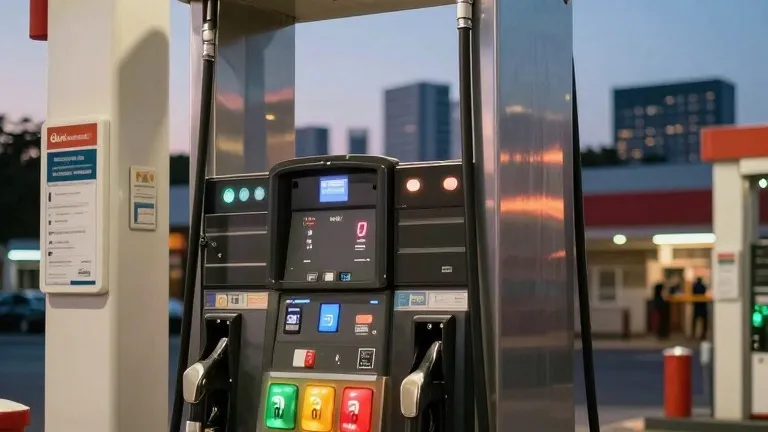
The global energy market has surged back toward its April highs as geopolitical tensions intensify.
Overnight, the global benchmark oil price climbed to US$113 per barrel, approaching the nearly US$120 peak recorded in April. For Australian motorists, the immediate impact is a 60-cent increase per litre compared to prices before the US and Israel attacked Iran. This price hike adds US$36 to the cost of filling a standard 60-litre tank. For a family that refuels weekly, the monthly expense has risen by US$144 since February.
Treasurer Jim Chalmers acknowledged the shifting economic reality in remarks on Friday. He confirmed that Treasury officials are lowering their growth forecasts ahead of the December mid-year budget update. Slower economic expansion and higher unemployment are now expected outcomes. Chalmers told Politico that the pressures on people are substantial, noting that the government is hostage to decisions made in Washington, Tehran, and Eastern Europe. These external conflicts are pushing up inflation globally while weighing on growth.
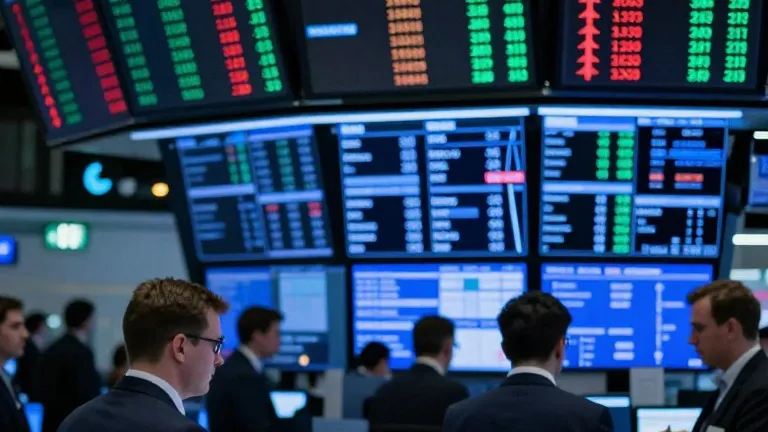
The central bank faces a difficult position in this environment. Reserve Bank Governor Andrew Hauser described the combination of high inflation, low growth, and rising unemployment as a nightmare for a central banker. With a fifth interest rate rise possible on November 3, policymakers must balance the need to rein in prices against the risk of stalling an already weakening economy. The global economy is also losing a key support pillar as investors grow uneasy about rising corporate debt in the artificial intelligence sector, a concern that triggered a steep sell-off on Wall Street.
Chalmers faces a set of difficult choices for the upcoming budget update. One option is to cut the fuel excise tax again, which would lower petrol prices but reduce the government's revenue and make it harder for the Reserve Bank to fight inflation. The alternative is to announce large spending cuts, which would assist the central bank but weigh further on a weak economy and potentially increase unemployment. Both paths carry distinct costs for voters and policymakers alike.
The government aims to provide cost-of-living help while managing the budget responsibly, yet domestic factors limit its effectiveness. High government spending works against the inflation fight, and productivity growth remains stagnant. This means the economy reaches its speed limit sooner, causing inflation to run higher at lower rates of growth. Chalmers’ options for easing voter discontent are limited by these structural constraints and external shocks.
More Business · World news · Unethical Practices · Report a business · Got a Story?