Russian Tankers Wait Two Weeks in Arctic Ice as Route Claims Face Reality Check
A jam in the Vilkitsky Strait forced vessels to reroute, exposing logistical gaps despite record cargo volumes on the Northern Sea Route.
By Amir Bennett ·
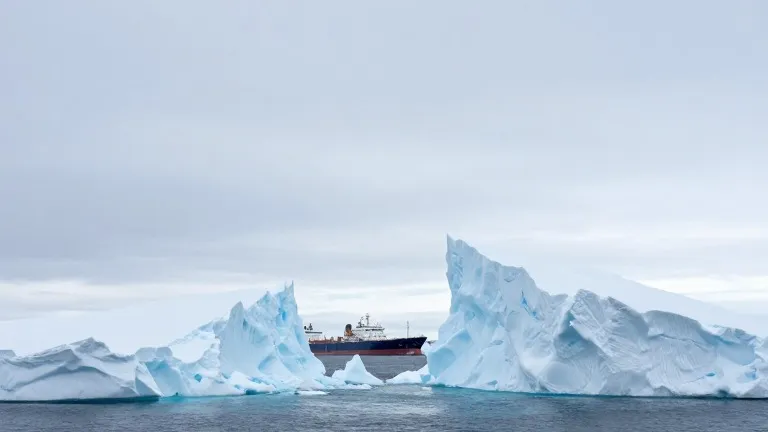
Russia’s Northern Sea Route is a vital artery for energy exports, yet a recent ice jam in the Vilkitsky Strait revealed just how fragile that connection remains for commercial shipping.
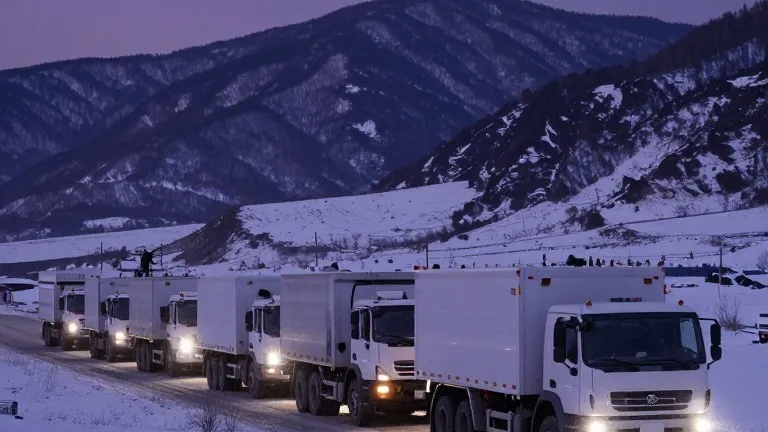
In July, several sanctioned Russian tankers became trapped in the strait, a narrow 55-kilometer channel separating the Siberian coast from Bolshevik Island. The vessels were far above the Arctic Circle, and the two nuclear-powered icebreakers capable of helping were days away.
Only one tanker managed to pass through the frozen water. The remaining ships waited up to two weeks for assistance. When the icebreakers finally arrived, they could not clear a path, forcing the fleet to alter its course and take a different route.
This incident challenges the Kremlin’s narrative that the route offers a safe and reliable alternative to traditional shipping lanes. President Vladimir Putin has touted the passage as a direct link to major markets. Speaking at the launch of the Vostok Oil project in September, he stated that 37 million tons of cargo moved along the route in 2025 and projected that number would nearly double by 2030.
Independent data paints a more modest picture. The Norway-funded Center for High North Logistics reported that Russia shipped about 2 million tons of crude oil, roughly 15 million barrels, along the full route to Asia by the end of September. By mid-October, Reuters reported the total had risen to about 20 million barrels. While this represents a 50 percent increase from 2025, it accounts for only about 1 percent of Russia’s total seaborne oil exports.
Tomas Alexa, a senior analyst at the maritime security consultancy Ambrey, described the growth as a surge from a relatively low base. He noted that Western sanctions complicate Russia’s ability to maintain Arctic-capable vessels, as spare parts and construction materials must be routed through third parties. Repair work previously performed by Norwegian, Danish, and Dutch firms is no longer available to Russian operators.
The route is not exclusive to Russian vessels. On October 22, South Korea confirmed its first container ship had used the Northern Sea Route. Chinese operators also completed several scheduled container voyages to Europe this year. Kaja Kallas, the EU foreign affairs chief, called the Arctic a front line of global power competition while outlining a new EU strategy on October 21. NATO launched its Arctic Sentry mission in February, and the United States announced plans to expand its military presence in Greenland last month.
Ksenia Vakhrusheva, head of the Arctic project at the environmental group Bellona, explained that melting ice can pack tightly in narrow straits, blocking ships without specific ice-class ratings. She noted that oil degrades more slowly in cold conditions and can spread over ice, posing environmental risks. Russia currently publishes no information on incidents along the route, and the area’s remoteness prevents independent monitoring.
More Business · World news · Unethical Practices · Report a business · Got a Story?