Taiz Residents Stretch 10 Liters of Water Over Four Days
Houthi advances have blocked supply routes, driving bottled water prices up 75% and forcing families in Yemen's third-largest city to ration every drop.
By Amir Bennett ·

Families in Taiz now stretch 10 liters of bottled water over four days, a drastic reduction from their previous daily usage. Hadil al-Shahid, a resident with two young children, confirmed the shift. She stated that the family stopped drinking coffee and tea, habits that were once daily staples, to conserve the limited supply.
The scarcity has driven market prices sharply higher. Bottled water now costs up to 75% more than it did just weeks ago. Some households are purchasing supplies on credit to keep their stockpiles full. The price increase reflects the logistical difficulties of moving goods into the city as Houthi forces tighten their control over the surrounding area.
The current crisis builds on a decade of water stress in the city. Since Yemen’s civil war began in 2014, Taiz has faced damaged infrastructure, population growth, and frequent droughts that depleted groundwater. Residents relied on water trucks for years, a system that held up until the recent escalation of hostilities. By August, the city became a central front in the conflict as the Houthis advanced on the area.
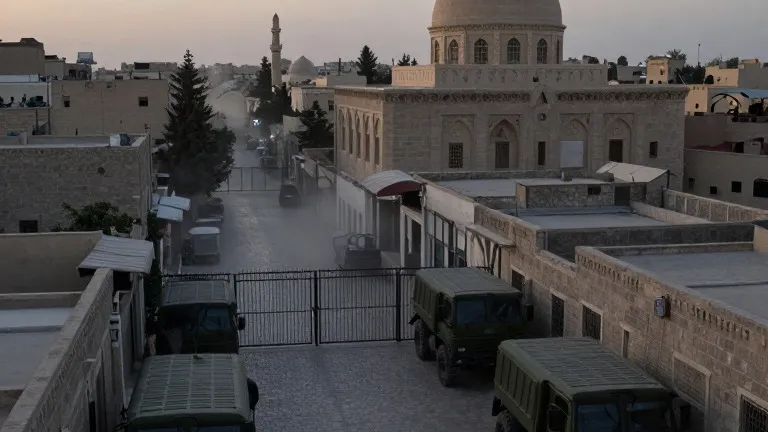
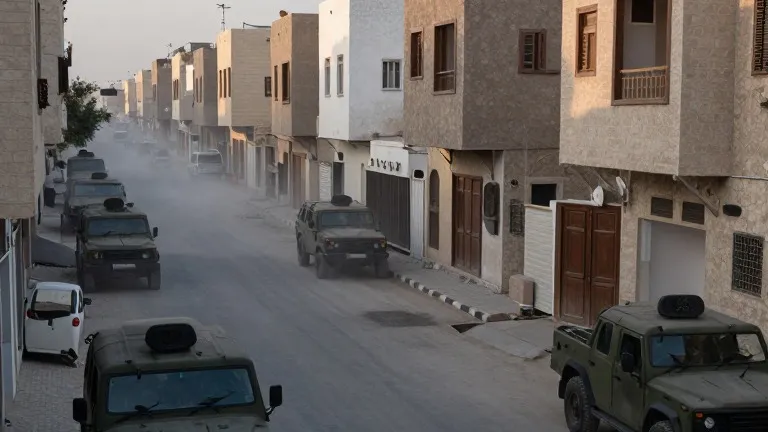
The Houthi offensive accelerated last month after the group captured the port city of Mokha, located about 130 kilometers away. This strategic move allowed the rebels to control key Red Sea shipping routes and surrounding roads. As they seized more territory, access to nearby wells and outside deliveries was cut off. Truckers who continue the dangerous trips into the city have tripled their rates in some cases.
Humanitarian aid groups warn that the situation is nearing a breaking point. Amnesty International has called for the Houthis to open roads immediately, describing the city as being on the brink of a severe humanitarian disaster. The United Nations reports that Taiz province has absorbed an estimated 124,000 displaced people since August. Jens Laerke, a spokesperson for a UN emergency aid division, noted that some families survive on one meal a day and face rising risks of cholera due to the use of unprotected wells.
The siege has also disrupted other essential services. Cooking gas prices have more than quadrupled, forcing families to burn wood, charcoal, or cardboard for fuel. Flour and rice costs are up roughly 50% compared to the summer. Hospitals and sanitation services are struggling to operate due to fuel shortages. Three anonymous Houthi officials claimed the group controls about 80% of the surrounding countryside and several neighborhoods within Taiz, a figure the Associated Press could not independently verify.
Fighting continues in the hills surrounding the city, with explosions heard daily by residents like Ahmed Abdel Gaber. He lives in the ruins of a building with nine relatives and relies on donations for food. Al-Shahid, who closed her hair salon as customers prioritized basic needs, remains in her home. She said staying is inevitable, regardless of the risks.