NextDC pledges to locate future datacentres away from residential areas
Following significant community opposition in Melbourne, the datacentre operator announces a strategic shift in site selection and enhanced local engagement protocols.
By Youssef Carter ·
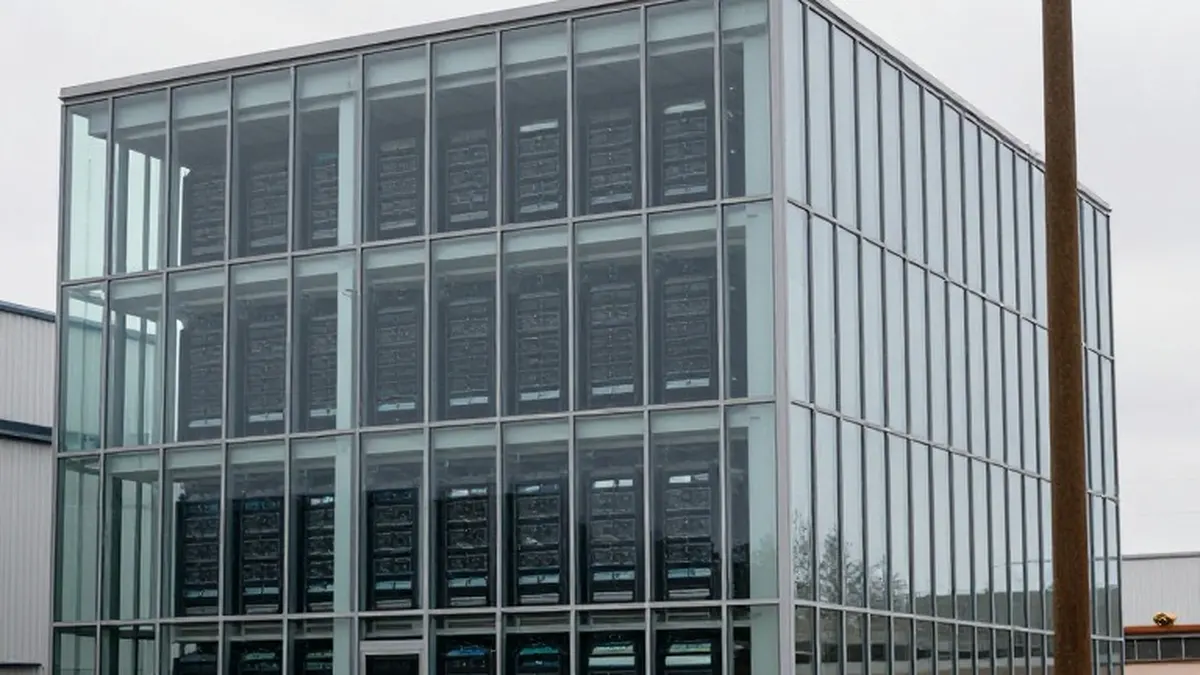
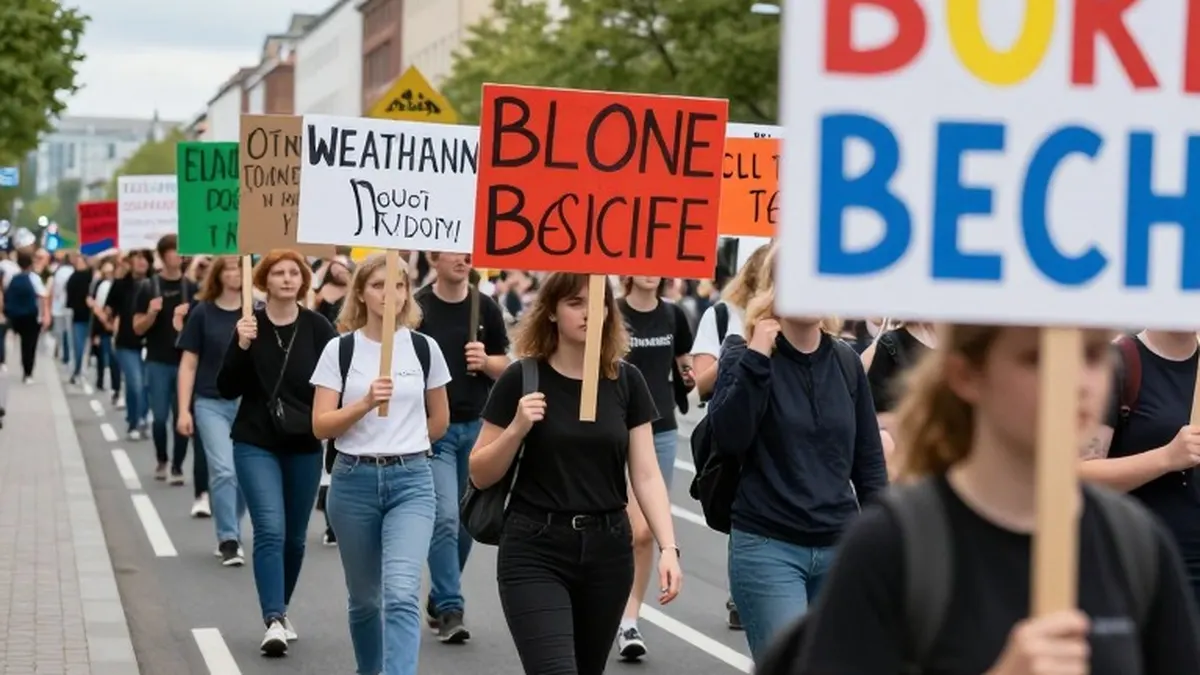
NextDC has committed to keeping future datacentre developments away from residential properties after facing intense community backlash in Melbourne. The decision follows a contentious expansion project at its M3 site in West Footscray, which caused the company’s share price to fall by 40 percent. The firm stated that this experience will fundamentally alter how it interacts with local communities.
The announcement was made during the company’s first annual general meeting since the expansion was delayed. Construction was paused when power provider Jemena halted the building of new 22 metre power poles due to resident protests. Although the share price has since recovered to over 9 dollars per share, the period of uncertainty allowed rival Goodman Group to acquire a nearly 10 percent stake in the business.
Shareholders expressed dissatisfaction during the meeting, voting against executive pay for the second time. However, a motion to remove the board of directors was defeated on Friday. Chief Executive Craig Scroggie described the event as his most challenging annual meeting in 15 years. He accepted responsibility for issues related to delivery, power, planning, approvals, construction, and community support.
Scroggie acknowledged that the company needed to collaborate more closely with its power and construction partners as well as the local residents. He noted that the community deserved to be heard earlier in the process, particularly during the Jemena construction works. He stated that the M3 project has changed how the company plans, builds, and operates alongside its neighbours.
The executive emphasized that the trust built over the past 15 years of datacentre construction is no longer sufficient. He explained that community expectations have shifted in the age of artificial intelligence, and the company must adapt to these new standards. To address this, NextDC is introducing a community consultative committee and a standing forum for residents and local stakeholders.
The company will also launch a dedicated project website and establish contact channels with defined response times for handling complaints and inquiries. Chair Doug Flynn confirmed that the firm will change its site selection strategy in light of community sensitivities. He stated that they do not intend to pursue new development opportunities near residential properties in the future.
Flynn observed that the pushback against datacentres is significantly different now compared to six years ago. He highlighted that the M3 site had served as an industrial location for 100 years, previously hosting petrochemical works before NextDC developed the datacentre. Despite the site’s industrial history, the height of the new power poles generated significant opposition.
The delay in the expansion project resulted in the departure of the Jemena employee responsible for community engagement. Flynn noted that the power provider recognized it had been charging ahead regardless of community concerns and had suffered a setback. He admitted that NextDC also faced difficulties during this period of conflict.
A spokesperson for Jemena declined to comment on specific details but referred to a September statement. That statement announced the general manager for electricity networks had decided to step down from the role. This personnel change aligns with the broader narrative of adjusting strategies following the recent challenges in Melbourne.