White House orders journalists to bag phones on return flight from China
Security officials required reporters to place devices used in China into signal-blocking bags aboard Air Force One due to cyberespionage concerns.
By Amir Bennett ·
Unusual security protocols were implemented on Thursday during the return flight of US President Donald Trump from China. The White House directed journalists traveling on Air Force One to surrender mobile phones that they had utilized during the visit. This precaution was taken in response to growing concerns regarding cyberespionage and potential data theft through electronic devices.
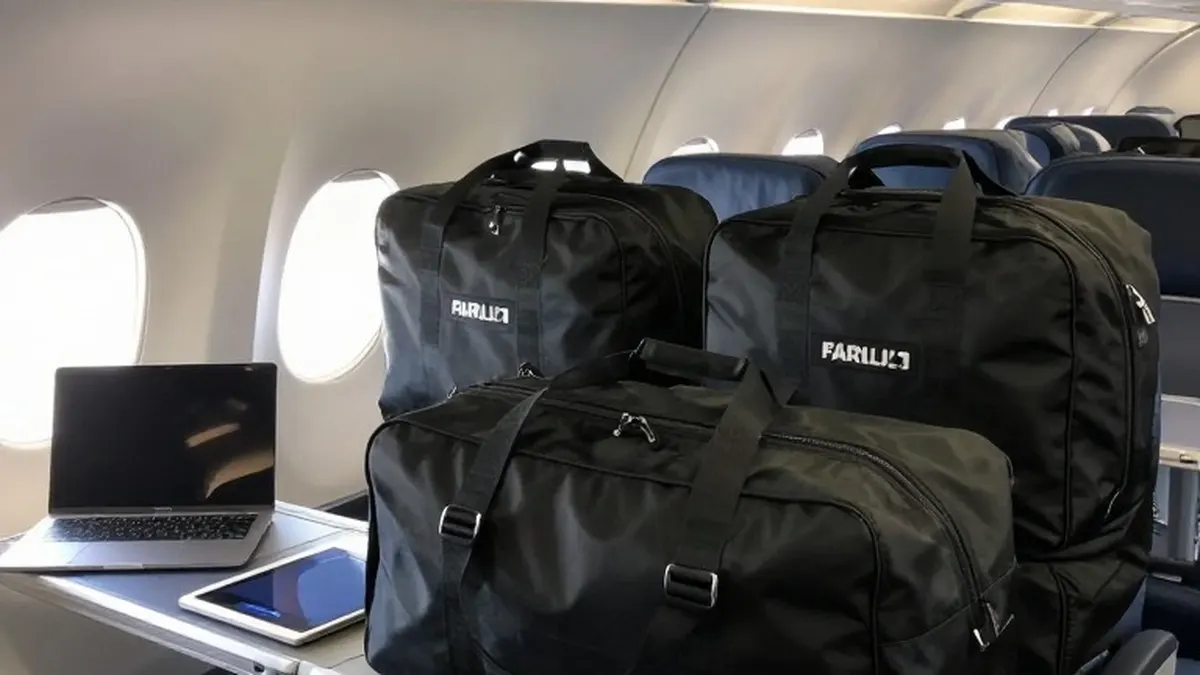
Reporters accompanying the president were instructed to place their phones in special bags designed to block communication signals. These bags, known as Faraday bags, prevent wireless signals from entering or leaving the enclosed space. The devices were to remain in these protective enclosures until the aircraft landed on US soil.
The directive initially led to speculation among some observers that Air Force One might alter its standard route. There were rumors of a possible unscheduled stopover to enhance security measures during the transit back to the United States.
However, CBS White House correspondent Jennifer Jacobs, who was present on the plane, clarified the situation. She explained that the measure was primarily driven by cybersecurity risks associated with using electronic devices in China. Jacobs noted that the steps were intended to mitigate the threat of spyware or surveillance rather than signal a change in flight plans.
According to Jacobs, the process began after the plane took off from Shenzhen. A member of the Air Force One crew collected spare phones that White House staff had used during the trip. These specific devices were gathered for destruction or to have their stored data erased as part of the post-visit security protocol.
Journalists were given similar instructions regarding their personal work devices. Those who had used phones in China were told to place them in the signal-blocking bags. They were permitted to retrieve their devices only after the plane had landed in the United States.
The security requirements did not apply to every electronic item aboard the aircraft. Devices that journalists had already secured in protective bags before arriving in China were not collected during the return flight. This distinction highlights the targeted nature of the precautionary measures.
Many journalists and photographers took proactive steps to protect their primary equipment. Not all reporters adopted this practice, but a significant number chose to leave their personal phones, laptops, and smartwatches in special bags throughout the entire visit. This strategy was intended to reduce the risk of information being collected or spyware being installed while they were in the country.
Consequently, the experience of the return flight varied among the press corps. Reporters who had brought spare phones for use during the visit were able to resume using their regular devices once the spare units were collected. In contrast, those who had relied on their main devices in China without bringing alternatives were left without access to a mobile phone during the flight home.
While Jacobs' account suggests the device collection was a standard response to information security risks, the report did not confirm whether any actual changes were made to Air Force One's planned route. The incident underscores the heightened attention to digital security during high-profile international trips.