Israeli and Ghanaian Partners Launch Assistive Technology Hub in Winneba
A collaborative project in Ghana is establishing a local center to manufacture and repair pediatric rehabilitation devices using sustainable materials, aiming to reduce reliance on foreign aid.
By Carolina Barrett ·
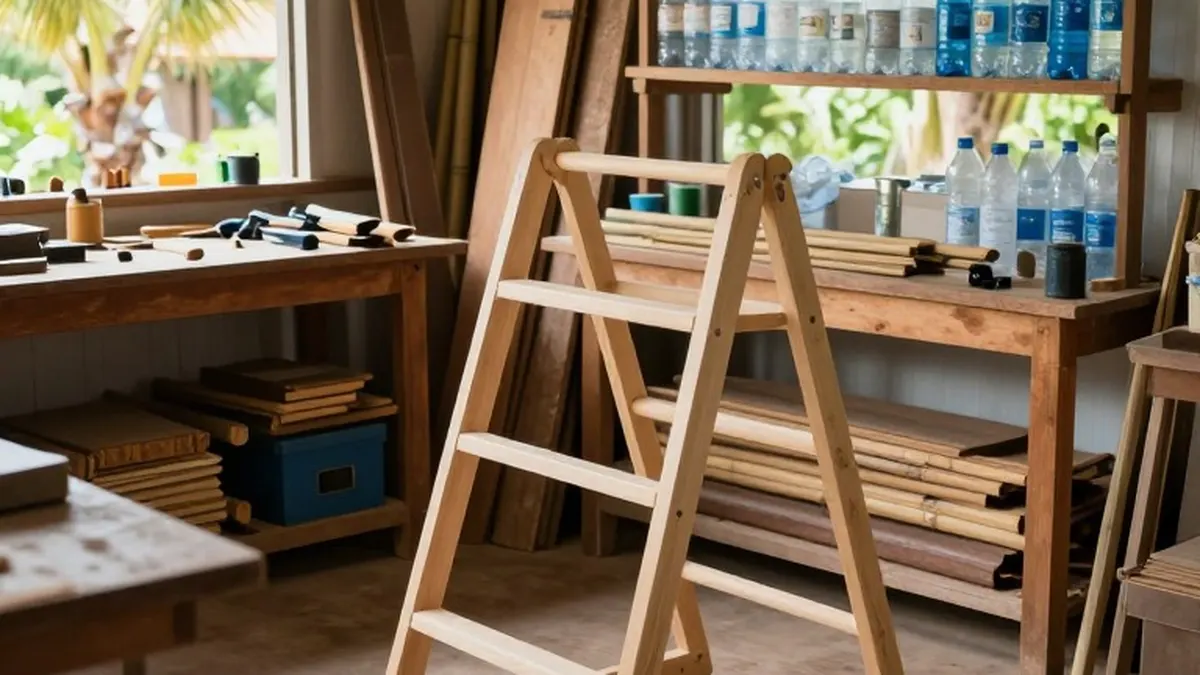
A joint initiative involving Israeli engineers and rehabilitation specialists has concluded a mission in Ghana focused on creating a sustainable local infrastructure for pediatric rehabilitation. The project brings together Engineers Without Borders Israel, Jerusalem’s ALYN Hospital, and Afeka Academic College of Engineering. The primary objective is to develop customized assistive devices for children using materials that are readily available in the region, such as locally sourced bamboo, wood, and recycled plastic derived from discarded jerrycans and bottles.
During the mission, the international team worked closely with local counterparts to construct various medical aids. These included posterior walkers, splints, supportive braces, and specialized seating systems designed for children with disabilities. The effort was not limited to the physical construction of these devices. The team also engaged in extensive educational activities, providing intensive hands-on training to 40 Ghanaian students. Additionally, clinical assessments were conducted for 10 children, and local mothers were integrated directly into the production process to ensure their involvement in the solution.
The long-term vision of the initiative is to establish a permanent local center capable of developing, manufacturing, and repairing rehabilitation equipment on a year-round basis. This model seeks to shift the paradigm from temporary foreign aid dependency to a state of local self-sufficiency. By empowering local professionals and families to identify needs and develop solutions, the project aims to create a lasting impact that extends well beyond the presence of visiting experts.
Michal Dolev Hashimsony, the CEO of Engineers Without Borders Israel, emphasized the participatory nature of the project. She stated that the goal was not to deliver ready-made solutions from Israel, but rather to build local capacity. This approach allows professionals and families to identify specific needs, develop appropriate solutions, and continuously improve those solutions over time.
To anchor these efforts permanently, the partners are establishing the Center for Appropriate Assistive Technology and Innovation in Winneba, Ghana. This facility serves as an extension of a two-year project previously led by Engineers Without Borders Israel. The project was conducted in collaboration with the University of Education, Winneba, and the Hearts, Hands and Voices Foundation. The latter is a local organization dedicated to supporting children with disabilities and their families.
Dr. Maurit Beeri, the director general of ALYN Hospital, highlighted the critical importance of appropriate assistive devices. He noted that for a child with a disability, the right equipment can significantly impact their ability to move, sit, and engage with their community. However, he pointed out that the challenge lies not just in developing the correct device, but in ensuring it can be adapted, repaired, and maintained over its lifespan.
The focus on self-sufficiency has also generated social and economic benefits for the local community. Mothers of children with disabilities have transitioned from being recipients of aid to active members of production teams. This shift opens potential avenues for vocational training and local income generation, providing families with both practical support and financial opportunities.
Ayelet Levin-Karp, CEO of SID Israel, the umbrella organization for Israel’s humanitarian aid community, described the Ghana initiative as a model for international development. She explained that the project demonstrates how Israeli aid efforts go beyond the simple export of innovation. Instead, the focus is on building lasting local capacity, enabling communities to continue improving lives long after visiting teams have returned home.
The use of recycled plastics and local wood and bamboo underscores the environmental and economic sustainability of the approach. By utilizing materials already present in the local environment, the center can maintain a lower cost structure and reduce the logistical challenges often associated with importing specialized medical equipment from abroad.
This collaboration represents a significant step toward integrating high-quality rehabilitation services into the local healthcare landscape of Ghana. By training local students and involving community members in the production process, the project ensures that the skills and knowledge required to maintain these services remain within the community, fostering a cycle of continuous improvement and local ownership.