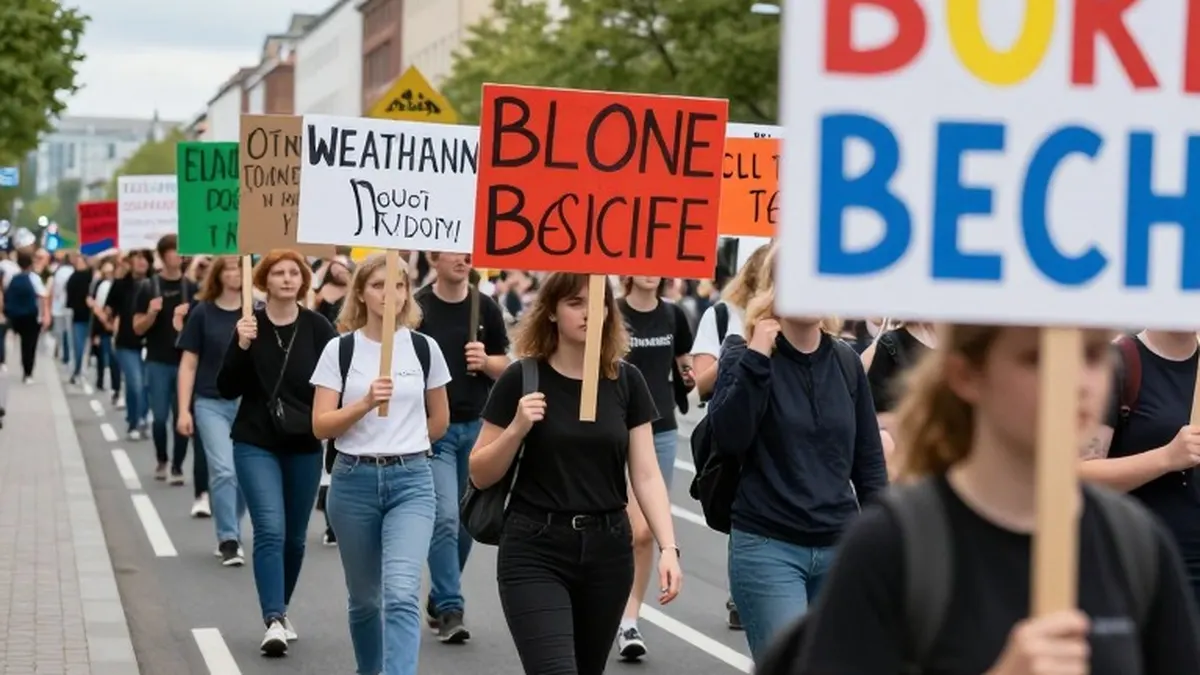
UK and EU Leaders Convene in Brussels to Reset Post-Brexit Ties
Prime Minister Andy Burnham and EU officials meet in Brussels to finalize agreements on trade, emissions, and youth mobility, marking a significant step toward normalizing relations ten years after the Brexit referendum.
By Carolina Barrett ·
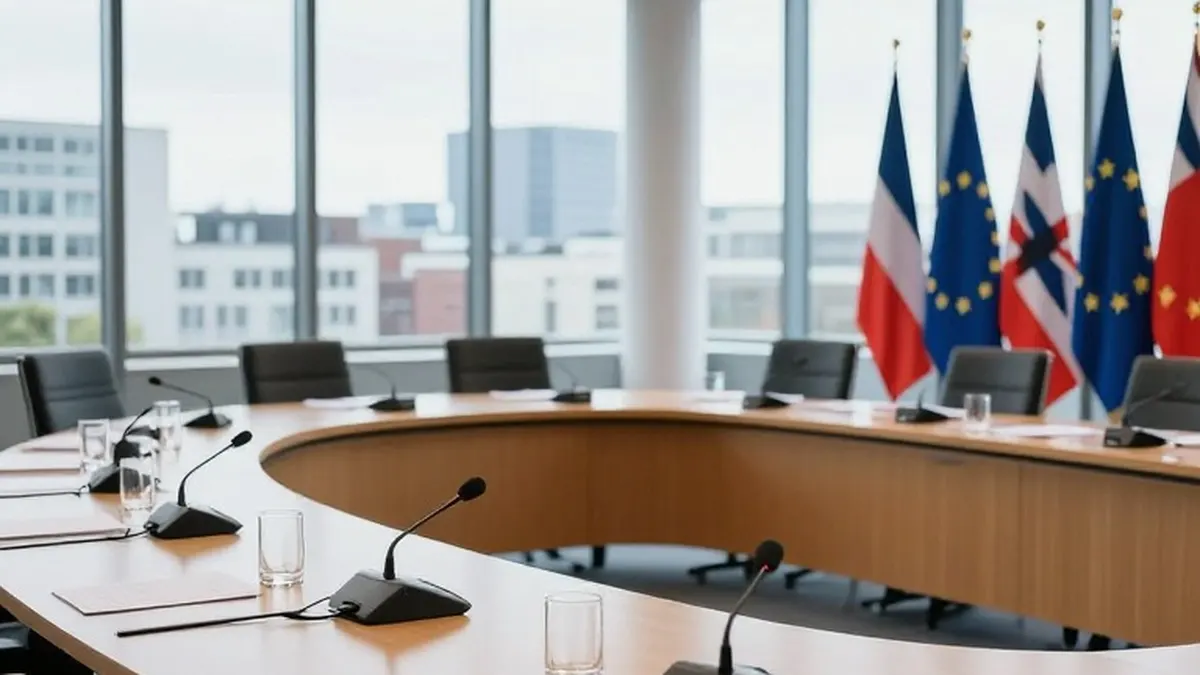
Leaders from the United Kingdom and the European Union are preparing to convene in Brussels for a summit intended to reset diplomatic and economic relations. This gathering marks a significant milestone ten years after the 2016 referendum that initiated the process of Britain's departure from the bloc. The meeting takes place on Friday and brings together UK Prime Minister Andy Burnham with European Commission President Ursula von der Leyen and Antonio Costa, the head of the European Council.
This is the second formal summit held since Britain officially left the European Union in 2020. The previous meeting in 2025 was characterized by participants as establishing a stable foundation for rebuilding the partnership. However, the current session is being presented as an opportunity to actively begin a reset of the relationship, moving beyond foundational discussions to concrete agreements.
Prime Minister Burnham has been vocal about the economic realities facing the UK since the vote to leave. Earlier in the week, he described it as an obvious truth that Britain had lost more than it had gained from Brexit. The 2016 referendum, which was non-binding, resulted in 52 percent of the British public voting in favor of leaving the EU. Burnham has signaled that reforming the relationship with Brussels remains a key priority on his political agenda.
Among the most significant items on the agenda is a proposed agreement regarding the cross-border exchange of animals, plants, and related products. The UK government estimates that removing current controls on these goods could generate an annual economic benefit of 5.1 billion pounds, which is equivalent to 6.7 billion US dollars. This deal is viewed as a critical component for reducing friction in trade between the two entities.
In addition to trade in biological goods, the two sides are expected to reach a deal on emissions trading systems. This agreement could involve London and Brussels mutually exempting each other from carbon border levies. Such exemptions would specifically benefit goods such as steel, potentially lowering costs for manufacturers and reducing trade barriers in the industrial sector.
A notable development is the expected signing of a youth mobility agreement. This pact would allow 100,000 citizens from the EU to live and work in the UK for a period of up to three years. The arrangement is reciprocal, allowing the same number of UK citizens to do the same within the EU. It is worth noting that the UK had originally sought to limit this figure to half that amount, making the final number a compromise.
The EU is also pressing for changes to the fee structure for students at British universities. Brussels wants EU students to qualify for home fees, which are typically one-third of the price charged to international students. The UK has agreed to apply significantly reduced fees for these students, though the precise final terms of this reduction remain a point of discussion between the two parties.
Another area of negotiation involves the EU's Made in Europe rules. The UK seeks to be included in this regulatory framework. While Brussels has indicated it may be open to this inclusion, it would require the UK to accept certain EU policies. This could present a challenge for Prime Minister Burnham, as the UK still maintains a significant population that is skeptical of further integration with European institutions.