Trump, Xi, and Putin End Trilateral Summit in Shenzhen With Peace Declaration
Leaders of the US, China, and Russia issued a joint statement on strategic stability and nuclear nonproliferation following a 90-minute meeting in China.
By Youssef Carter ·
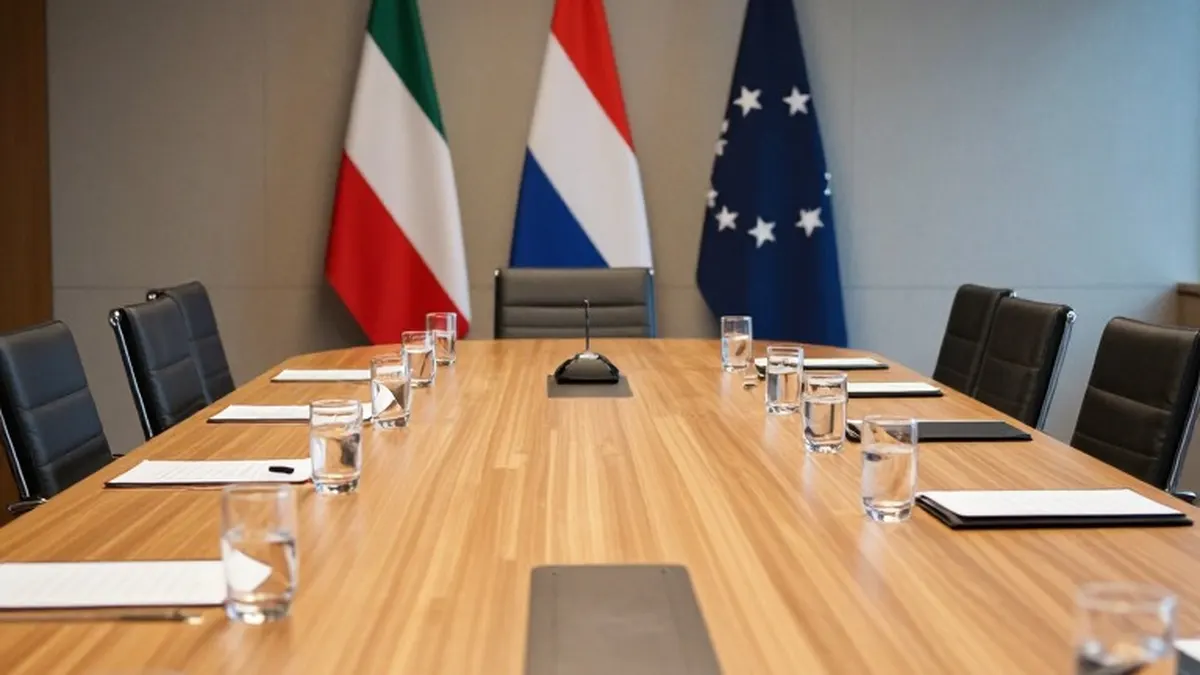
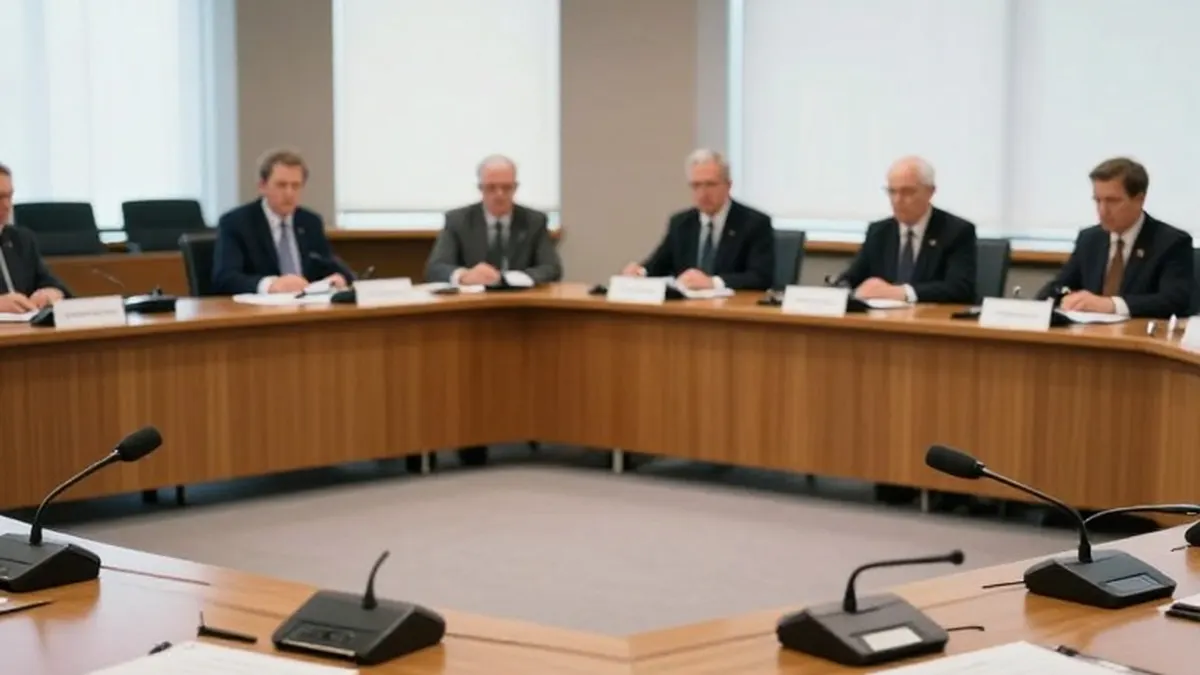
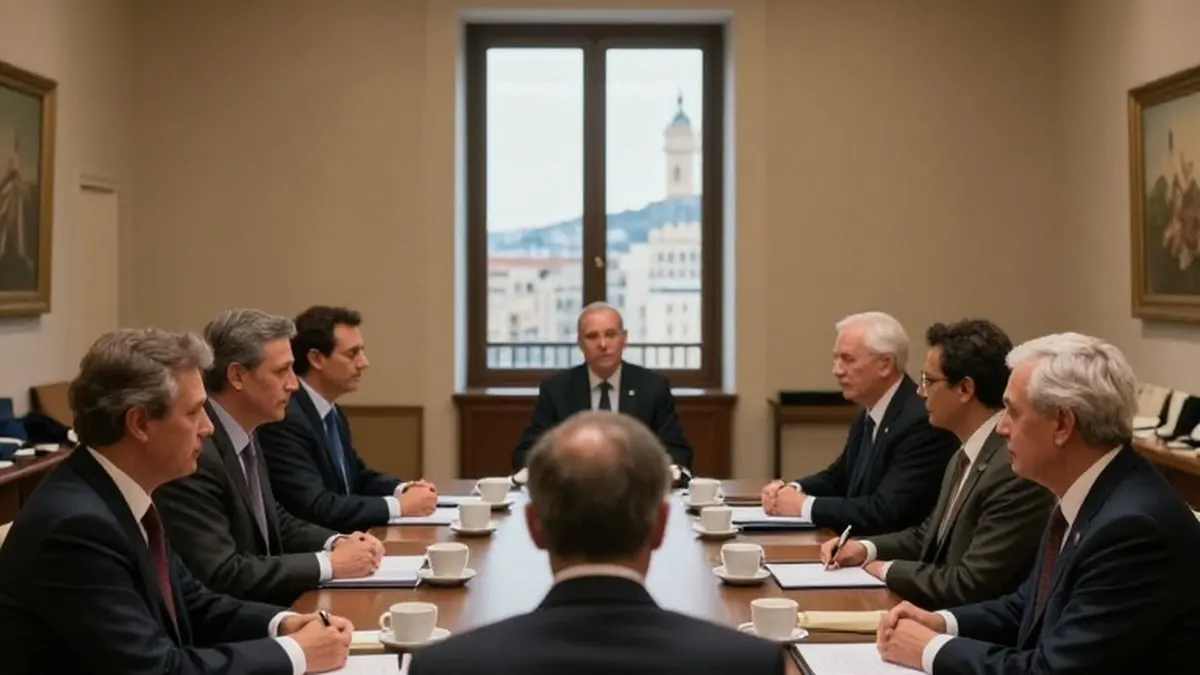
Leaders from the United States, China, and Russia concluded a historic trilateral summit in Shenzhen on Thursday. US President Donald Trump, Chinese President Xi Jinping, and Russian President Vladimir Putin met on the sidelines of the Asia-Pacific Economic Cooperation summit to discuss global security and the future of their bilateral relations. The gathering brought together the heads of state from three of the world’s most powerful nations for a focused dialogue on international stability.
The meeting lasted approximately 90 minutes according to the BBC. While the leaders departed without making formal statements to the press, the outcome was marked by a positive demeanor. Russian President Vladimir Putin appeared satisfied with the proceedings, telling his Chinese counterpart that he did not expect everything to go so well. He thanked Xi for organizing the event, highlighting the smooth nature of the discussions despite the need for multilingual translation.
Chinese President Xi Jinping described the summit as positive, constructive, and fruitful. According to reports from the Xinhua news agency, Xi emphasized that the three nations share a commitment to safeguarding world peace while strengthening communication and cooperation. This sentiment was formalized in a four-point document titled the China-Russia-US Heads of State Declaration toward Peace.
The declaration addresses several key areas, including the reform of the United Nations, energy security, international judicial institutions, and nuclear weapons. As permanent members of the UN Security Council, the three countries agreed on the necessity of reforming the organization to respond more effectively to global challenges. The document also notes a shared concern regarding the International Criminal Court, a body recently criticized by US Secretary of State Marco Rubio in a speech at the Federalist Society.
Energy security was a central theme of the agreement, particularly in light of ongoing concerns related to the conflict in Iran. The leaders agreed to increase the production and supply of refined petroleum products while emphasizing the importance of stable energy flows. China and Russia have both worked closely with Iran in the past, with Beijing having a long-term deal with Tehran and Moscow helping to secure the 2015 nuclear agreement.
A third provision of the declaration focused on the jurisdiction of international courts. The leaders recognized the importance of state consent and the immunities enjoyed by state officials. They agreed that the International Criminal Court and similar bodies must not abuse their jurisdiction, signaling a unified stance on the limits of international judicial reach.
The final point of the declaration concerned nuclear weapons. The three leaders reaffirmed the principle that a nuclear war cannot be won and must never be fought. They committed to ongoing dialogue regarding the reduction of nuclear risks and the prevention of proliferation. While no specific arms reductions or timetables were announced, the document provided a framework for continued discussions among the three nuclear powers.
Beyond the joint declaration, President Xi outlined four principles for relations between major powers: mutual respect, peaceful coexistence, cooperation, and dialogue. He argued that countries should respect one another's sovereignty, territorial integrity, and political systems. Xi warned against interference in domestic affairs and urged leaders to communicate in advance on sensitive issues to avoid challenging one another's red lines.
Xi suggested that the three nations should view each other as partners rather than adversaries, warning against falling into the Thucydides Trap. This concept describes the danger of conflict between established and rising powers, a dynamic he compared to the ancient Greek war between Athens and Sparta. Linking this to the legacy of World War II, Xi described the three countries as major victors with a responsibility to preserve the postwar order. He also called for the eventual elimination of nuclear weapons, labeling them a Sword of Damocles hanging over humanity.
At present, China’s diplomatic goal is to ease tensions and reduce the chances of escalation in the Middle East. The strategy involves preparing for potential future misunderstandings while maintaining a preference for diplomacy. China continues to monitor the situation closely to assess whether the United States will make any missteps in the coming period.