Bangladesh Faces Fresh Violence as Protests Erupt Ahead of Hasina's Return
Violent protests and arson attacks disrupted Bangladesh as supporters of exiled former PM Sheikh Hasina mobilized for her planned return in December.
By Youssef Carter ·
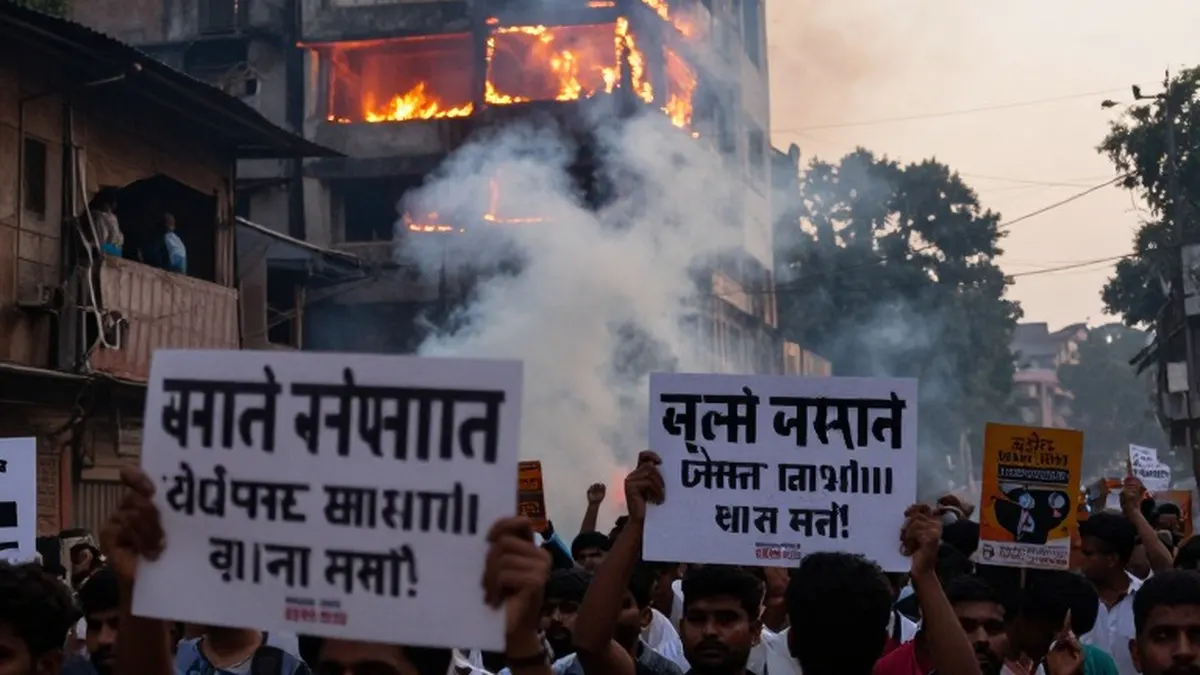
Bangladesh experienced significant disruption on Thursday as supporters of former prime minister Sheikh Hasina launched a coordinated campaign of protests, rallies, and acts of violence. The unrest, which included clashes, bomb blasts, and arson attacks, effectively shut down parts of the country. Among the most notable incidents was the fire that consumed the ancestral home of former leader Muhammad Yunus in the port city of Chattogram.
The Awami League, Hasina's political party, had organized a week-long series of demonstrations to build momentum for her planned return to Bangladesh in December. The program culminated in a nationwide lockdown on Thursday. Hasina, who has been living in exile in India since fleeing Dhaka in August 2024, recently applied for a new passport and identity card to facilitate her homecoming. Her supporters are currently demonstrating against the government's decision to reject these documents.
In an effort to contain the unrest, security forces deployed 97 platoons of the Bangladesh Border Guard across seven districts, including Gopalganj and Faridpur, areas known for strong support for Hasina. Police reported that Yunus' family home, located approximately 300 kilometers southeast of the capital, was set ablaze late on Wednesday. Investigators believe flammable substances were thrown into an unused room on the ground floor, while family members residing on the upper levels remained safe.
The violence has intensified over the past ten days, with police documenting dozens of crude bomb explosions and vehicle fires across at least 28 districts. These incidents have resulted in injuries to both law enforcement officers and civilians. The tension between Hasina's supporters and the current interim government, led by Yunus, has been a source of ongoing hostility since her ouster from power.
Tragic losses of life occurred during the previous 48 hours. On Tuesday, an activist from the ruling Bangladesh Nationalist Party (BNP) was allegedly killed by unidentified individuals near Gopalganj. That same night, a crude bomb exploded outside the home of cultural affairs minister Nitai Roy Chowdhury in Dhaka. Additionally, the residence of a BNP lawmaker and several shops owned by party supporters in Gopalganj were targeted by fire.
On Wednesday morning, authorities in the southern district of Pirojpur confirmed that a bus company helper died after being trapped in a fire that engulfed two buses. The week also marked a significant legal anniversary, as it has been one year since a local court sentenced Hasina to death for ordering a deadly crackdown on the student-led uprising that forced her resignation in 2024.
Security operations continued on Thursday with the detention of former education minister Nurul Islam Nahid from his residence in Dhaka. He faces charges related to multiple killings that occurred during the 2024 protests. Meanwhile, Grameen Bank, the institution founded by Yunus, reported that at least 37 of its branches had been targeted by arson or attempted fires since November 10, with 14 additional attacks reported after midnight on Tuesday.
The conflict has drawn sharp political reactions. Home Minister Salahuddin Ahmed accused Awami League leaders based abroad of inciting their supporters to destabilize the nation and destroy property. He pledged that those responsible for the violence would be identified and prosecuted. However, Awami League leaders, many of whom are currently in hiding, were unable to be reached for comment on the escalating situation.