US Commerce Department cleared nearly 900,000 AI chips for China
Newly released data shows the Trump administration approved significant exports of Nvidia and AMD chips to major Chinese tech firms, sparking debate over national security and trade policy.
By Carolina Barrett ·
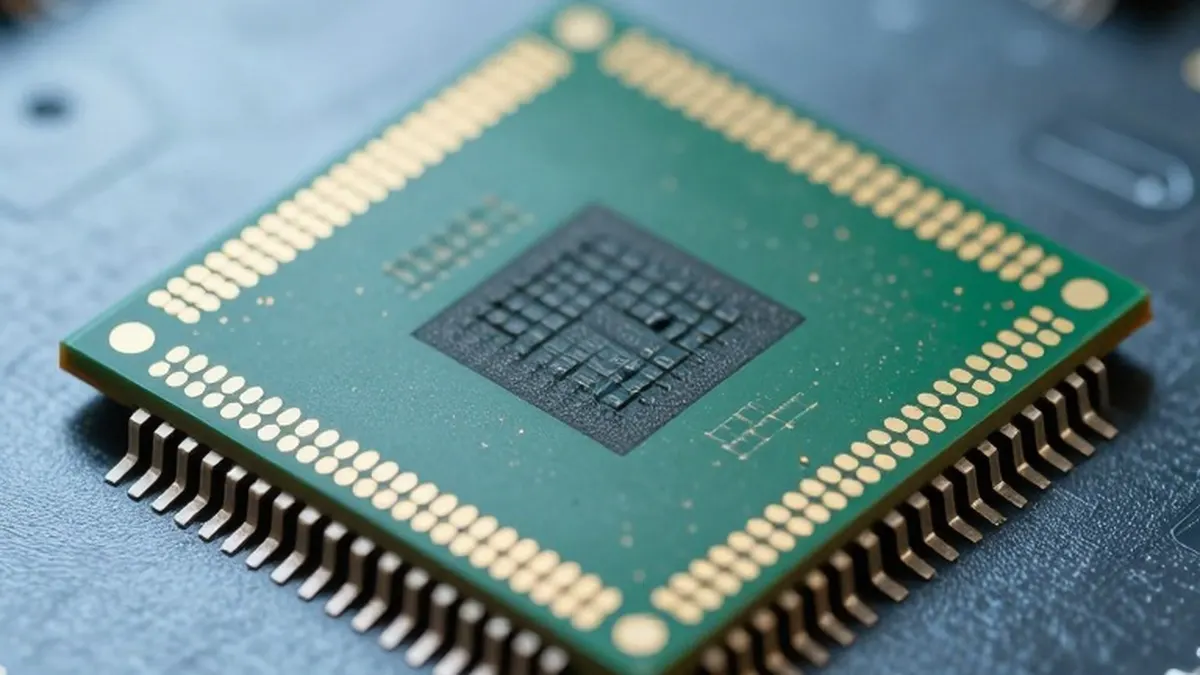
The Trump administration has authorized the export of nearly 900,000 advanced artificial intelligence chips to Chinese companies, according to a report released by the House Foreign Affairs Committee. The approvals, issued by the Department of Commerce between December 2025 and May 2026, cover hardware manufactured by Nvidia and AMD. This disclosure provides a rare look into the licensing process for high-tech goods moving between the two economic rivals.
Committee documents indicate that the Department of Commerce granted licenses for 879,000 units during this six-month period. The breakdown of these approvals includes 75,000 chips for Alibaba, 150,000 for Tencent, 43,000 for Baidu, and 4,000 for BYD. While companies had applied to ship 3.4 million chips to China during the same timeframe, only a fraction of those requests were formally approved.
The release of this data arrives at a moment of heightened political scrutiny for the current administration. Recent revelations regarding an alleged affair between former Nvidia CEO Jensen Huang and a suspected Chinese spy have intensified calls for a stricter approach to Chinese technology. These developments have fueled concerns that the US may be allowing too much advanced technology to flow to Beijing, potentially aiding its military and economic capabilities.
All four Chinese corporations identified in the committee report appear on a Pentagon list of companies alleged to have ties to the Chinese military. Committee Chair Brian Mast stated that he used his authority under the Export Control Reform Act to make this licensing information public. The chips in question include Nvidia’s H200 model and AMD’s MI325X, which are considered critical for training large language models and other AI applications.
It remains unclear how many of the approved licenses resulted in actual shipments to China. However, the volume of approved hardware has drawn attention to previous instances where Nvidia chips were smuggled into the country without facing significant penalties. Chris McGuire, a former US official and expert on US-China technology competition, described the situation as astonishing. He noted that over 30 percent of the approved chips were destined for companies designated by the Department of War as Chinese military entities, raising questions about the rigor of the national security review process.
Nvidia responded to the findings by stating that the approvals were subject to strict conditions and limited volumes. The company added that despite receiving some licenses, it has since ceased shipping its H200 chips to China. AMD did not immediately respond to requests for comment regarding the committee’s disclosures.
The current policy marks a shift from the administration of former President Joe Biden, who had restricted Chinese access to these prized chips. Biden’s restrictions were driven by fears that the hardware would enhance China’s military capabilities and erode the United States’ lead in artificial intelligence. However, President Trump gave the green light in December for Nvidia to ship its H200 chip to China, effectively rolling back those earlier restrictions.
The decision to allow these exports drew fierce criticism from China hawks across the political spectrum. The policy change has created a complex landscape for US chipmakers, who must navigate between maintaining a lucrative market in China and addressing security concerns raised by lawmakers and defense officials. The latest data release is expected to fuel further debate in Congress regarding the balance between trade and national security.
The news also had an immediate impact on the stock market. Nvidia’s share price ended the day down 3.3 percent, while AMD shares slumped by 7.7 percent. The broader market also reflected the sentiment, with the Nasdaq and the S&P 500 falling by 2.2 percent and 1.8 percent, respectively. Investors appear to be weighing the potential for further regulatory changes against the current state of trade relations.
As the US government continues to evaluate its export control strategies, the focus remains on ensuring that critical technologies are not only competitive but also secure. The detailed breakdown of chip approvals provided by the House Foreign Affairs Committee offers a concrete example of how these policies are being implemented, setting the stage for future legislative and executive actions in the ongoing US-China technology rivalry.