European leaders gather in Berlin to reinforce Ukraine support
More than 30 leaders convene in Germany to coordinate aid and strategy for Kyiv shortly after a high-profile summit between the US, Russia, and China.
By Youssef Carter ·
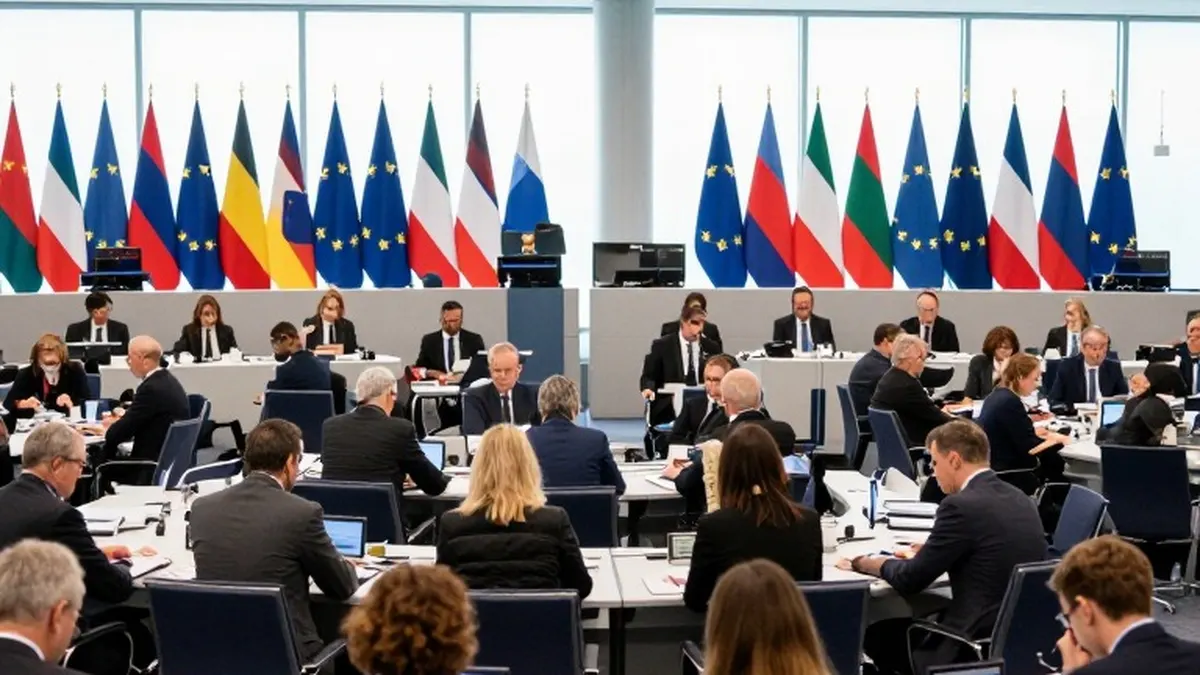
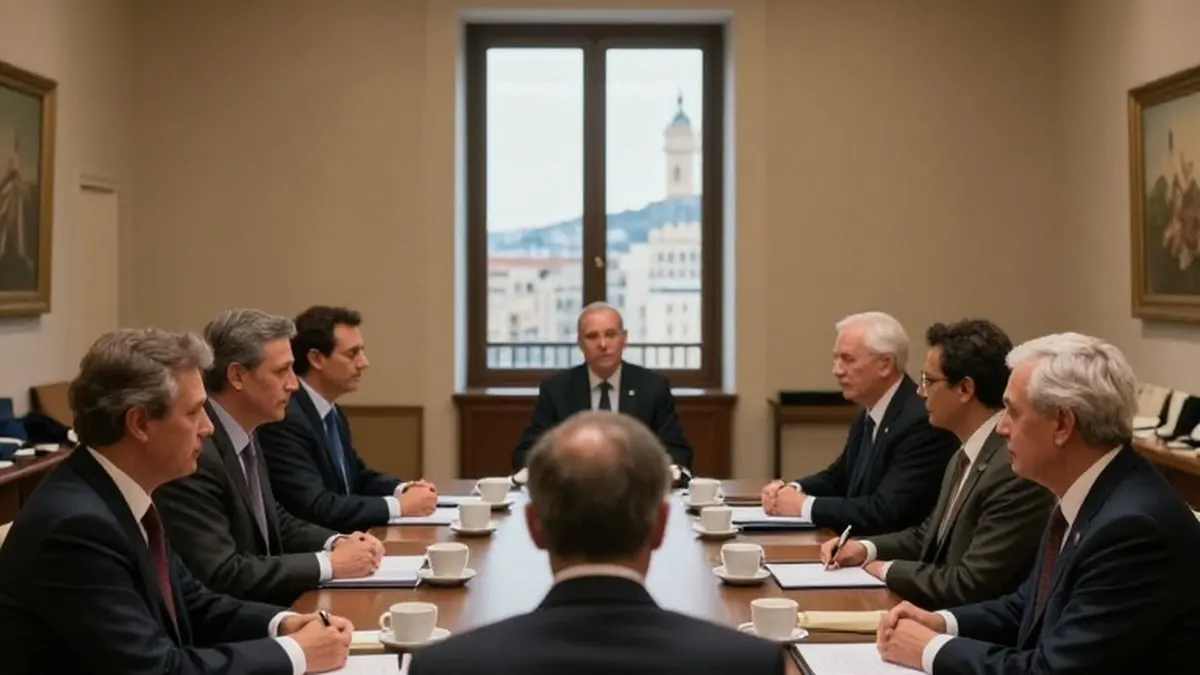
A significant diplomatic gathering is set to take place in Berlin on Thursday, bringing together more than 30 European government leaders to rally behind Ukraine. The summit, branded as the Coalition of the Willing, is being co-hosted by the leaders of Germany, France, and Britain. The timing is deliberate, as the meeting will commence only hours after a historic three-way summit in Shenzhen involving US President Donald Trump, Russian President Vladimir Putin, and Chinese President Xi Jinping.
The primary objective of the Berlin talks is to strengthen Europe's position in the ongoing conflict, which has now lasted nearly five years. European officials aim to ensure the continent has a meaningful seat at the table for any future peace negotiations, a process that has previously been dominated by Washington, Moscow, and Kyiv. Central to the agenda is a reaffirmation of support for Kyiv in its pursuit of a just peace, alongside the necessity of robust Western security guarantees to deter future aggression.
Despite the strong show of solidarity, concerns remain that the leaders of the United States, Russia, and China may make critical decisions regarding Ukraine without adequate input from Kyiv or Europe. There is a specific worry that these powers could seek to divide the globe into modern spheres of influence. German Chancellor Friedrich Merz has urged the US president to maintain alignment with European NATO allies, even though Trump has frequently expressed admiration for Putin and criticized Ukrainian President Volodymyr Zelensky.
Merz articulated this stance during an EU summit in Dublin last week, stating, "I want to state our message to the US very clearly once again: please, no surprises." He further emphasized, "Stay on Team Europe and Team Ukraine, and let us work together for a genuine peace in Ukraine." British Prime Minister Andy Burnham also highlighted the importance of the Berlin meeting, noting that it sends a clear signal that the country stands firmly with Ukraine while the trilateral talks unfold in China.
Financial support is a critical component of the discussions. Germany has become the largest provider of military aid to Ukraine following a reduction in US support. The country is also rapidly rebuilding its own military capabilities to deter a hostile Russia. Chancellor Merz has called for all 27 EU member states to help finance Ukraine, which faces a funding shortfall of 70 billion euros next year. To address this gap, the European Union proposed a 45 billion euro loan for Ukraine on Wednesday.
Ursula von der Leyen, the head of the European Commission, is expected to attend the Berlin summit. She stated, "We are as committed as ever to support Ukraine in war and in peace." In contrast, Kremlin foreign policy aide Yuri Ushakov, speaking from China, suggested that the Shenzhen meeting would overshadow the events in Berlin. He told Russian state media, "What is happening here is the main thing. And what is happening there is important, but it's secondary."
Russia has attempted to link the end of the war to a complete overhaul of European security, aiming to push NATO further from its borders. Merz dismissed this notion last week, arguing that the European security architecture already exists and does not need to be reinvented. As the conflict enters its fifth winter, Russian strikes continue to target Ukraine's energy and transport infrastructure. Ukraine has responded by targeting Russian oil facilities and partially destroying the bridge connecting Russia to the annexed Crimean Peninsula.
Ukraine is in urgent need of defensive systems, particularly US-made Patriot missiles, at a time when a global shortage is exacerbated by conflicts in the Middle East. Prime Minister Burnham is expected to announce a new package of support, which includes more than 1,000 long-range strike drones, some capable of reaching targets beyond 1,000 kilometers. A senior Ukrainian diplomatic source indicated that the outcome should be a commitment on financing and weapons, which would help crystallize Europe's role in the peace process.
The same source added that the summit in China would not alter the agenda in Berlin, asserting that "nobody is going to be able to hijack anything." The gathering in the German capital represents a concerted effort by European nations to assert their influence and provide tangible support to Kyiv amidst shifting global dynamics.