UK and EU prepare to finalize youth mobility and trade deals at Brussels summit
The UK and EU are set to approve a youth mobility scheme allowing 100,000 young people from each side to work and study in the other region, alongside trade and immigration agreements.
By Youssef Carter ·
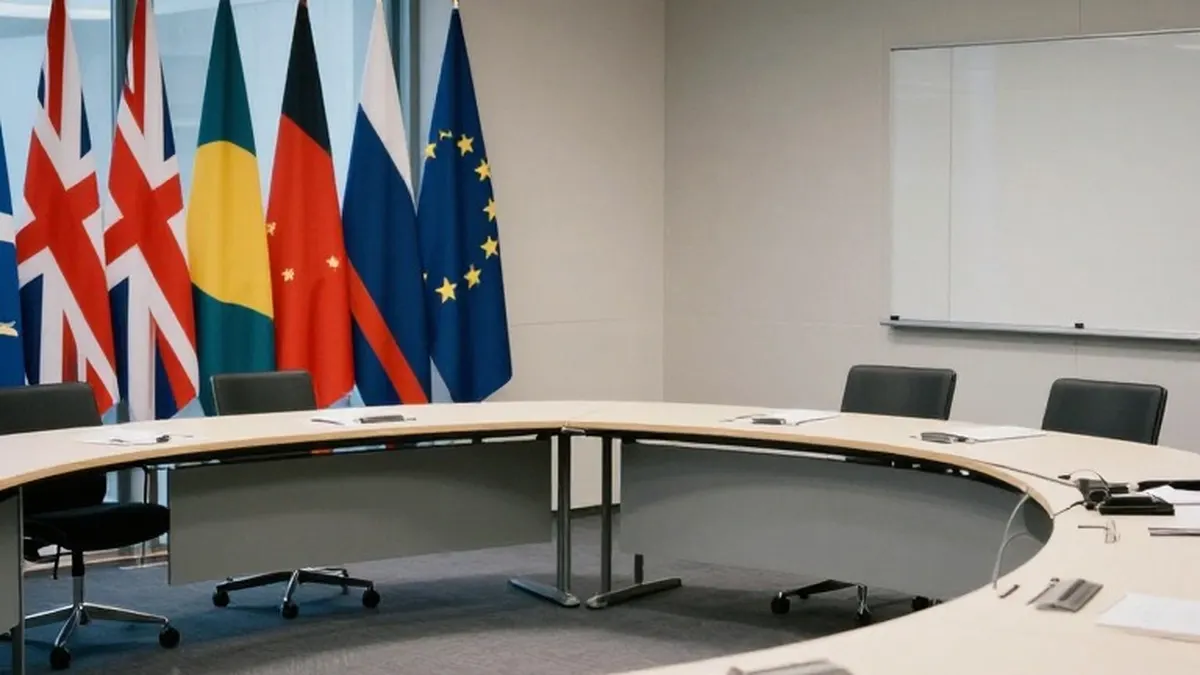
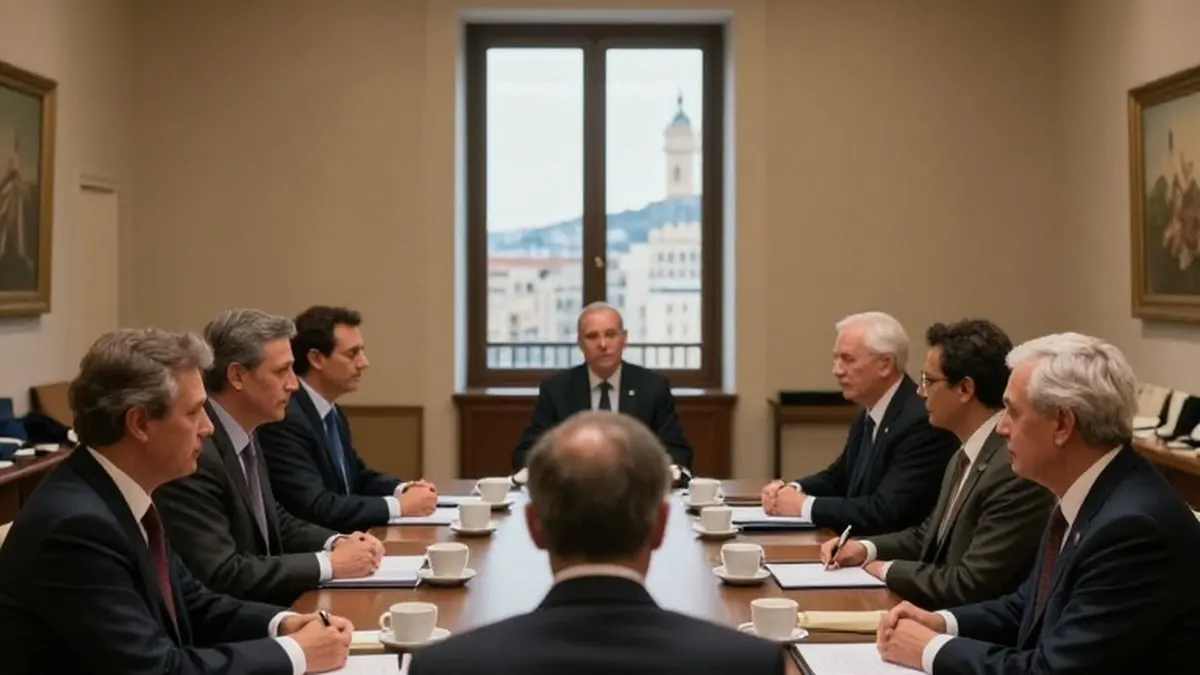
The United Kingdom and the European Union are expected to reach a significant agreement on Friday regarding a new youth mobility scheme. According to reports, the deal would permit up to 100,000 young Europeans to travel, work, or study in the UK annually. A reciprocal arrangement would allow the same number of British nationals to enter the EU for similar purposes. The accord is anticipated to be approved at the upcoming UK-EU summit in Brussels.
Downing Street has described the negotiations as being at a critical stage, with talks continuing through Thursday. Prime Minister Andy Burnham has indicated that a separate "Channel action plan" on immigration could also be finalized. Additionally, negotiators are working to resolve outstanding issues concerning food trade regulations and carbon emissions pricing.
The proposed mobility scheme aims to facilitate movement for young people between the two regions. The UK currently maintains similar agreements with 13 non-EU nations, including Australia, Canada, and India. In 2024, the EU initially proposed allowing individuals aged 18 to 30 to reside in either region for up to four years. At the time, the Labour party, which was in opposition, rejected the proposal, arguing it effectively reinstated freedom of movement.
Since taking office, the Labour government has signaled a preference for a more controlled approach. This includes implementing a time limit, setting a cap on the number of participants, and prohibiting them from claiming certain benefits. The cap on numbers has remained a significant point of contention in recent negotiations. Another major disagreement involves the EU's demand that its students pay the same tuition fees at UK universities as domestic students.
Prime Minister Burnham addressed the media on Thursday evening, explaining the potential benefits of the deal. He highlighted the possibility of lower food prices, reduced business costs, and streamlined bureaucratic processes. Burnham emphasized that a successful immigration collaboration, specifically the Channel action plan, would be a major achievement. He stated that the government is dedicated to securing the best possible outcome for Britain.
The trade component of the agreement could eliminate various checks and paperwork for food companies exporting to the EU. The government estimates that these changes could add five billion pounds to the economy and reduce consumer food prices. However, the deal may require the UK to adopt specific EU regulations regarding products, such as rules on gene-edited crops and food labeling.
Conservative leader Kemi Badenoch has criticized the direction of the negotiations, accusing Burnham of reopening divisions from the Brexit referendum. While she supports easier trading, she cautioned against accepting trade terms at any cost. Badenoch noted that UK companies might be required to follow EU rules even if they do not directly trade with the bloc.
The Liberal Democrat leader, Sir Ed Davey, agreed with Burnham regarding the negative impacts of Brexit but felt the proposed measures were insufficient. He argued that the UK needs to move faster and further, including a potential return to freedom of movement, which he believes would help manage immigration and boost the economy.
Reform UK leader Nigel Farage dismissed the idea of a full return to the EU, stating that he does not believe the country would vote to rejoin. He described Burnham's approach as a political strategy to attract votes from centrist parties and distract from domestic issues.
If a comprehensive deal is secured on Friday, the government plans to introduce legislation to Parliament the following week to implement the changes. Burnham has previously suggested that the UK might seek a closer long-term relationship with Europe, potentially including full membership, though he has ruled out major structural changes before the next general election.