UN Court Rules Myanmar Committed Genocide Against Rohingya
The International Court of Justice has determined that Myanmar’s 2017 military actions against the Rohingya Muslim minority met the legal threshold for state-sponsored genocide.
By Amir Bennett ·
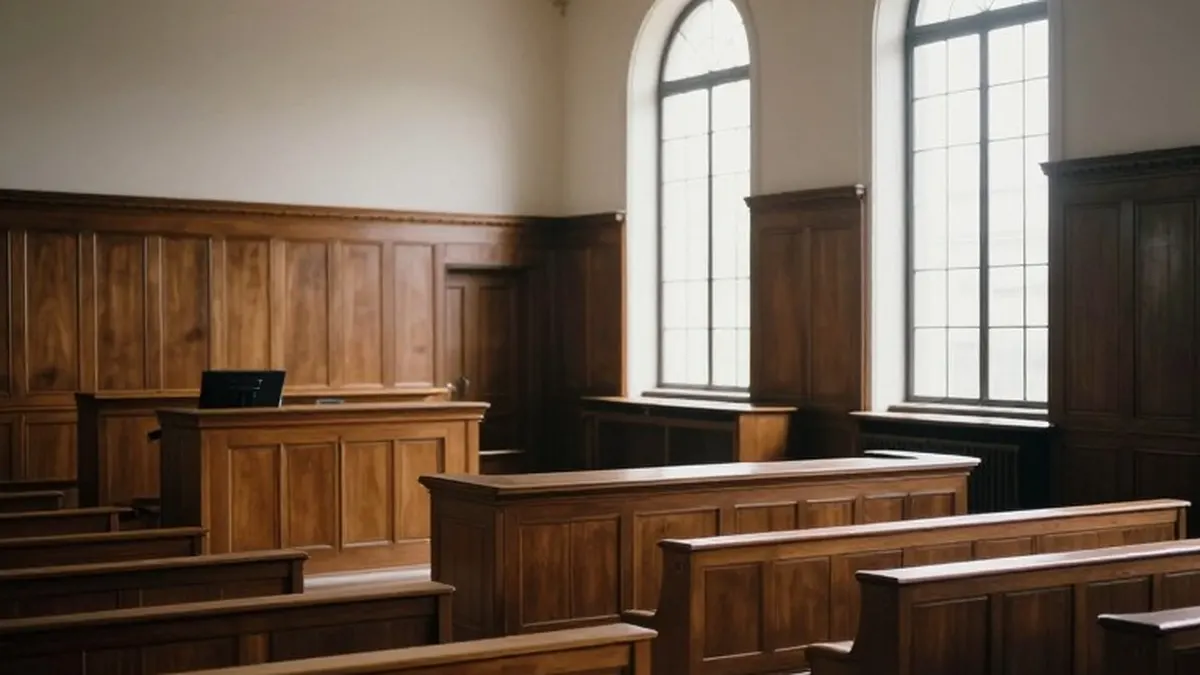
The International Court of Justice in The Hague ruled on Thursday that Myanmar’s security forces committed state-sponsored genocide against the Rohingya Muslim minority in 2017. The verdict, which was passed by a vote of 9 to 6, marks a significant legal milestone. It is the first time the court has held a sovereign state responsible for the crime of genocide. The decision comes seven years after the predominantly Muslim nation of Gambia filed the case on behalf of the Rohingya community.
Presiding Judge Yuji Iwasawa read the court's findings, stating that Myanmar’s forces killed thousands of civilians and perpetrated widespread acts of sexual violence. The panel concluded that the Republic of the Union of Myanmar committed genocide against the Rohingya group in Northern Rakhine State. The court noted that evidence showed approximately 10,000 Rohingya were killed during the period in question. The judges found that mass executions of men and boys, along with the burning or razing of hundreds of villages, were central to the military's clearance operations.
The ruling emphasizes that the military actively spread hate speech targeting the population. The panel determined that the only reasonable inference to explain these actions was an intention to destroy a substantial part of the protected group. This specific intent is a difficult legal standard to meet in international tribunals. Genocide has rarely been established in such courts, with previous recognitions limited to the 1994 Rwanda genocide, the 1995 Srebrenica killings in Bosnia, and the atrocities committed by Cambodia’s Khmer Rouge in the late 1970s.
The court ordered Myanmar to commit to reparations for the survivors. These measures include allowing Rohingya to return to their places of residence in a safe, voluntary, and dignified manner. Myanmar is also required to investigate, prosecute, and punish those found responsible for genocidal acts. The state must pay compensation to the Rohingya, although the specific amount will be determined in later proceedings. The decision is final and cannot be appealed, though the court has limited options to enforce its rulings.
The verdict is expected to influence other ongoing cases, including South Africa’s 2023 case accusing Israel of genocide in Gaza. Both Israel and Myanmar have denied the charge, arguing that their forces responded legitimately to attacks by armed groups. Israel has strongly rejected the accusation as baseless, stating it seeks to minimize civilian fatalities while fighting Hamas. The ruling will likely be studied closely by legal experts for clues on how the bench assessed state responsibility in international crimes.
In Bangladesh, where about 1.2 million Rohingya refugees live in crowded camps, the ruling was met with profound emotion. The atmosphere in Cox’s Bazar was electric as refugees and lawyers hugged and cried upon hearing the verdict. Sayed Ullah, a leader of the refugee community, expressed deep gratitude to Bangladesh, Gambia, and the Organisation of Islamic Cooperation for their support over the years. He urged the international community to remain with them until they can return home.
Yasmin Ullah, a Rohingya rights activist who attended the nearly three-hour reading in the Great Hall of Justice, called the day a victory for all oppressed people. She noted that the ruling validates the suffering of those who have often been told that no one is listening. The decision highlights the enduring legal and humanitarian struggle for the Rohingya, who continue to face harsh conditions in refugee camps marked by fire hazards, disease, and strict work restrictions.