Coroner finds preventable systemic failures in death of Aboriginal woman in NSW jail
A state coroner ruled that Tammy Shipley's death after consuming excessive water in a correctional centre was the result of missed monitoring and mental health care gaps.
By Youssef Carter ·
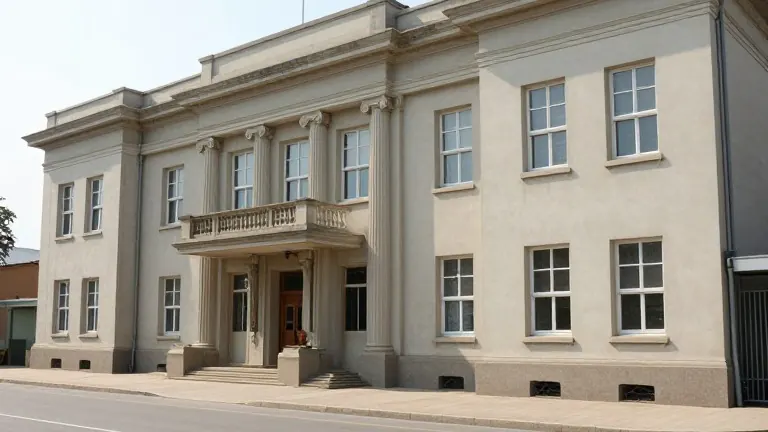
The death of an Aboriginal woman who collapsed in a New South Wales prison cell after drinking at least 20 litres of water was preventable, a state coroner has determined. The ruling highlights a series of systemic failures that contributed to the tragedy at the Silverwater women’s correctional centre.
Tammy Michelle Shipley, 47, died on 20 December 2022. State coroner Teresa O’Sullivan issued her findings on Thursday, concluding that Shipley’s death was caused by low blood sodium levels resulting from excessive water intake, compounded by complications of schizoaffective disorder. O’Sullivan expressed confidence that the death could have been avoided with proper protocols.
Shipley was a mother of five who had been taken into custody on remand 11 days before her death. She was charged with shoplifting offences but did not disclose her mental health issues to police upon arrest. The coroner noted that police failed to double-check her health answers, even though she had attended a police station two weeks earlier and mentioned hearing her neighbour talking in her head. This missed opportunity meant her mental health conditions were not recognised, and a potential diversion from the criminal justice system was not explored.
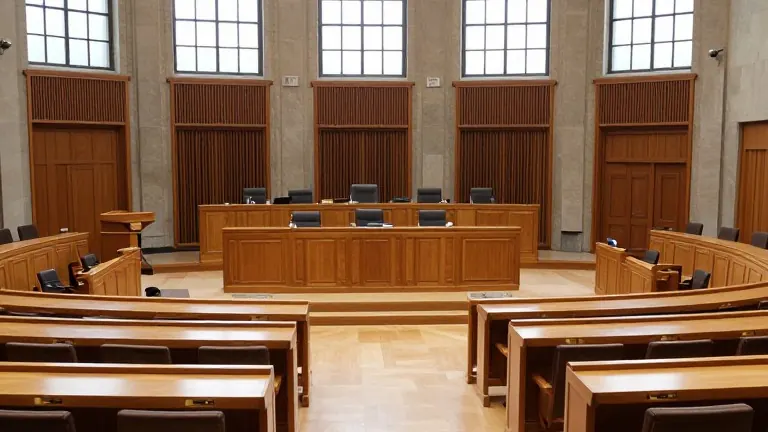
When Shipley appeared in local court the day after her arrest, the magistrate was unaware that she had been refused bail on other charges. Consequently, the court made orders that were expected to secure her release, a situation O’Sullivan described as a clear systems failure.
Following two attempts at self-harm while in custody, Shipley should have been subjected to continuous physical and electronic monitoring. The coroner identified the lack of such monitoring as a serious failure. O’Sullivan stated that if observations had been conducted at the required intervals, it was likely that Shipley’s excessive consumption of water would have been prevented.
The coroner also found it unsatisfactory that Shipley was not seen by a psychiatrist or mental health nurse during the 11 days leading up to her death. On the day of her death, Shipley began vomiting after 10 am. She should have received medical care at that point, but she instead experienced seizures shortly before noon. Around an hour later, she was found lying face down on the floor of her cell.
A significant delay occurred in the emergency response. The coroner found it unacceptable that 23 minutes elapsed between when Shipley was first seen on the ground and the start of resuscitation attempts. Earlier that day, a corrective services officer had hastily closed her cell door after smelling faeces, leaving her in a condition the coroner deemed completely inappropriate for someone known to have a mental health condition.
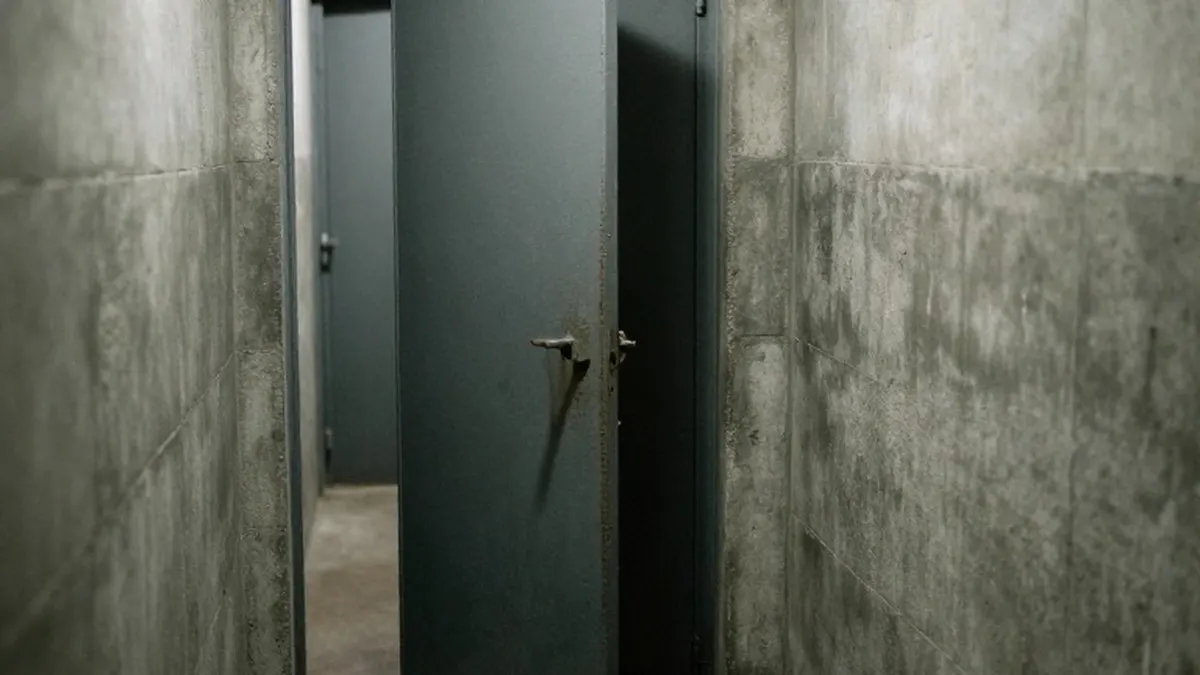
O’Sullivan issued 10 recommendations to NSW police, Corrective Services NSW, and Justice Health. These include a review of the austere and depressing unit where Shipley was held, which was intended to be a therapeutic space. Further recommendations involve regular monitoring of internal footage and improved maintenance of mental health records. The coroner acknowledged that the jail had already implemented some changes following the death.
Outside the court, Shipley’s mother, Vicki, expressed hope that the findings would force a reassessment of how people are treated within the system. She stated that she believed the system had moved past historical treatment methods by this stage of the country’s development. She added that every system caused trauma to her daughter until it eventually took her life.
Vicki Shipley urged the NSW government to quickly implement the coroner’s recommendations. She warned that if changes are not made, other families will be forced to make similar pleas. She questioned the value of a life in the face of claims that there is not enough money for necessary improvements.