SpaceX Declines Military Launches
The aerospace giant turned down three Space Force contracts while a Spanish rocket maker prepares for its debut flight.
By Lucia Herrera ·
The commercial space sector is undergoing significant shifts in both contract negotiations and vehicle development timelines this week. Industry leaders are making decisive moves regarding military partnerships and international launch capabilities, setting the stage for the next phase of orbital competition. These developments highlight the evolving dynamics between private companies and government agencies as they navigate budget constraints and technological milestones.
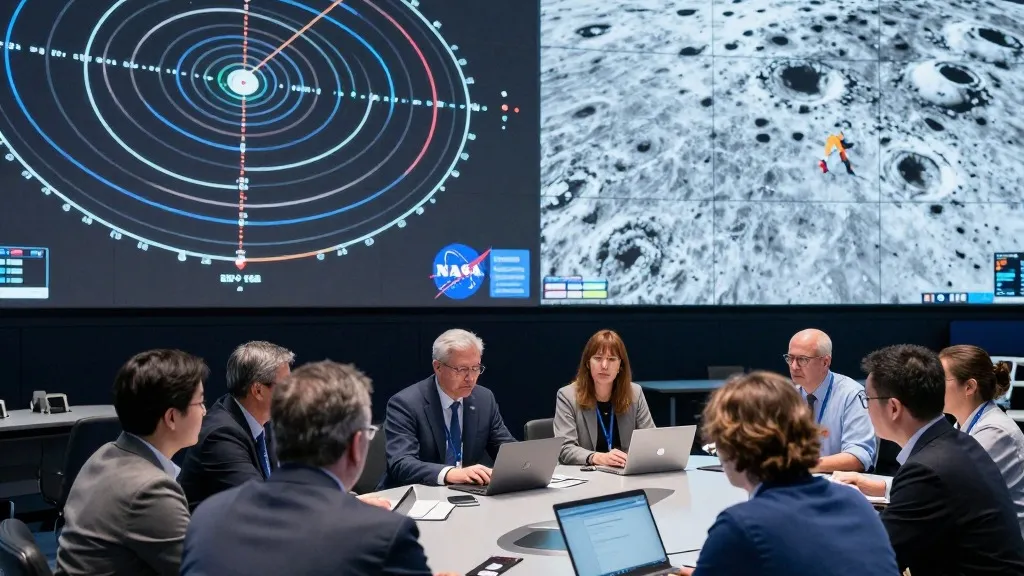
SpaceX has officially declined three launch contracts offered by the US Space Force. The company informed the military branch that it would not proceed with the proposed agreements, a decision that surprised many observers given the firm's historical role in national security missions. This refusal signals a strategic pivot or a recalibration of priorities for the private giant, which continues to dominate the heavy-lift market. The Space Force is now expected to seek alternative providers or revisit the terms of future solicitations.
In a separate development involving the same company, a NASA safety panel has outlined the logistical challenges of SpaceX’s Starship program. The panel indicated that up to 22 refueling operations might be necessary to support a lunar landing mission. This requirement underscores the complexity of in-orbit propellant transfer, a critical technology for deep space exploration. Engineers and policymakers are closely monitoring these figures as they assess the feasibility of upcoming Artemis program milestones.
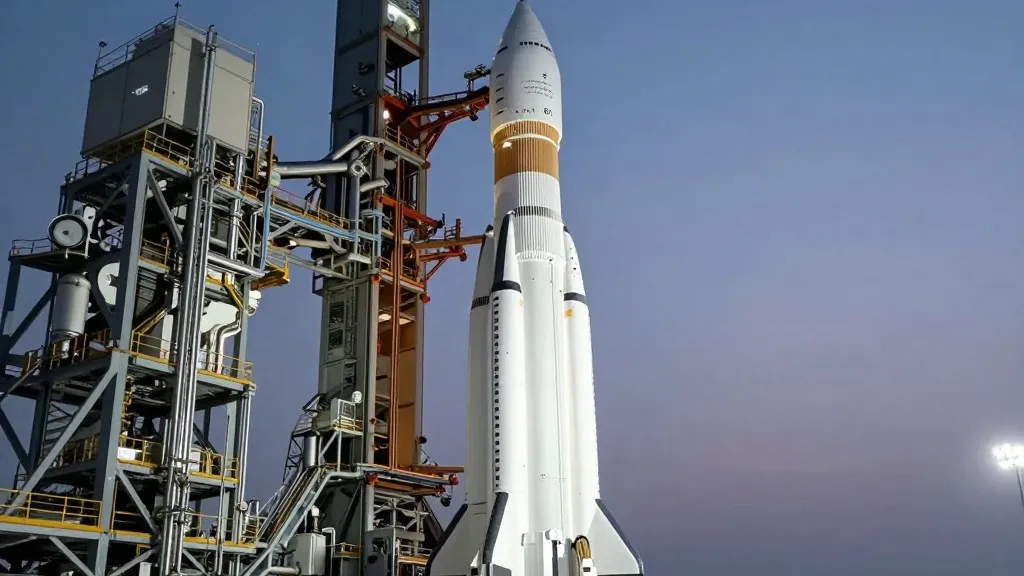
Across the Atlantic, Spain’s PLD Space is advancing its Miura 5 small-lift rocket toward its inaugural flight. The company reports that the vehicle is nearing final integration, with a target debut set for before mid-2027. CEO Raúl Torres noted that manufacturing three units of the rocket has allowed teams to apply lessons learned from qualification campaigns directly to the launch vehicle. Two of the manufactured units were designed to test key system elements, ensuring that the final flight-ready rocket benefits from rigorous preliminary testing.
Current operations at PLD Space’s Teruel test facility focus on a fully integrated second stage. This stage is undergoing system-level testing under representative operating conditions as part of its qualification campaign. The process includes a wet dress rehearsal and a static hot-fire test, which are essential steps to verify the rocket’s reliability. These tests are crucial for establishing the safety and performance standards required for the company’s first commercial launch next year.
In Canada, Reaction Dynamics is seeking to raise $350 million to accelerate its growth and development efforts. The funding is intended to expand the company’s staff from 68 to over 350 employees, supporting the development of its Aurora small-lift rocket. The company aims to have the Aurora reach orbit by 2028, positioning itself as a key player in the North American launch market. Additionally, Reaction Dynamics has announced plans to develop a medium-lift rocket called Borealis, with a debut targeted for 2031. This dual-vehicle strategy reflects the company’s ambition to serve a wide range of customer needs in the coming decade.
Source: Ars Technica