Russia Expands Use of Fiber-Optic Molniya Drones on Frontline
Ukrainian defense experts report a significant increase in the deployment of electronic-warfare-resistant fiber-optic drones across multiple sectors of the front.
By Amir Bennett ·
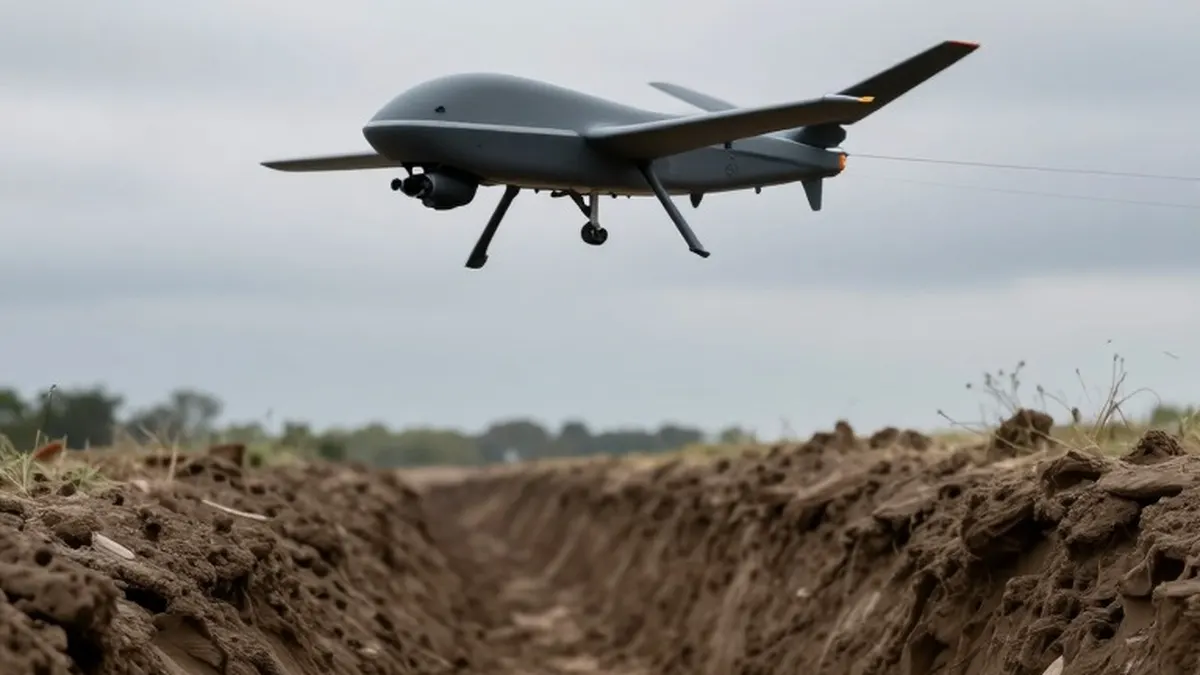
Russian forces have recently increased the deployment of Molniya unmanned aerial vehicles that are controlled via fiber-optic cables. Over the past several days, these specific UAVs have been recorded operating across various sectors of the frontline in Ukraine. The shift marks a notable change in aerial warfare tactics as the conflict continues into late 2026.
Serhii Beskrestnov, a radio technology specialist and adviser to Ukraine's defense minister, confirmed the widespread presence of these drones. He noted that while the initial attempts to equip Molniya UAVs with fiber-optic controls were observed a year ago, the technology did not become widespread until now.
The operational parameters of these drones present a significant challenge to Ukrainian defenses. According to Beskrestnov, the aircraft typically fly at an altitude of approximately 50 meters. Despite this low profile, they possess a range that allows them to penetrate up to 30 kilometers into Ukrainian rear areas.
The primary danger associated with fiber-optic UAVs is their immunity to standard electronic warfare measures. Because they do not rely on radio signals for control, there is no radio frequency for defenders to detect or jam. This lack of electronic signature makes them difficult to identify before they reach their targets.
Furthermore, the low flight altitude complicates radar detection, as the drones often remain below the effective horizon of many ground-based radar systems. In addition to their stealth capabilities, these UAVs are equipped with high-quality imaging systems that allow them to conduct detailed reconnaissance during their flight paths.
Beskrestnov highlighted that the combination of these factors renders traditional electronic warfare ineffective against these specific models. The inability of electronic systems to influence the drone's path or disrupt its control link gives Russian forces a distinct tactical advantage in certain sectors.
Video footage released by Beskrestnov shows the interception of one such Russian fiber-optic Molniya UAV. The visual evidence supports the reports of these drones appearing in greater numbers and highlights the new type of threat facing Ukrainian air defense crews.
The defense adviser expressed gratitude to the specific crews responsible for detecting and shooting down these advanced UAVs. Their success in intercepting the drones is crucial for understanding their capabilities and for developing countermeasures against this evolving technology.
This recent surge in activity follows earlier reports from July of this year. At that time, Beskrestnov noted that Russia was testing a fiber-optic variant of the Molniya UAV with an even greater range of up to 50 kilometers. Russian military planners had indicated intentions to begin mass-producing these drones, a plan that now appears to be materializing on the battlefield.
The introduction of these fiber-optic systems represents a significant evolution in drone warfare, forcing Ukrainian defenders to adapt their detection and interception methods to counter threats that are largely invisible to traditional electronic sensors.