Eilat medical school project targets national doctor shortage
A new English-language medical school in Eilat, a branch of Hungary's University of Debrecen, aims to alleviate Israel's doctor shortage by training local and international students.
By Amir Bennett ·
Israel is currently grappling with a growing deficit of physicians, a situation exacerbated by the trend of medical students pursuing education abroad. In response to this challenge, Dr. Moshe Cohen, the founder and CEO of Medical Doctor Academy, is developing an international medical school in the southern city of Eilat. The institution is designed to operate in English and aims to begin accepting students in September 2027.
The proposed school will function as a branch of Hungary's University of Debrecen. Cohen explained that the project is intended to tackle the physician shortage on multiple fronts. It seeks to create more positions for Israeli medical students while simultaneously attracting young Jewish individuals from abroad to establish their medical careers in Israel.
While the shortage of doctors is a national issue, Cohen noted that the problem is particularly severe in the south. Residents of Eilat often face significant logistical hurdles when seeking specialized care. Procedures such as chemotherapy, radiation therapy, and acute treatments for conditions like heart attacks frequently require patients to be transferred to hospitals in Beersheba. This is largely due to a lack of necessary equipment, specialists, and facilities within the city.
Cohen also highlighted Eilat's recent history as a reason for the investment. The city hosted approximately 60,000 evacuees following the events of October 7. He argued that the city deserves support for the role it played during the war. "We need to give the city something back," Cohen said. "We need to support the city as it supported us during the war."
The institution plans to enroll between 200 and 300 students annually within five years of its launch. To address the specific needs of the region, the school proposes offering nearly full scholarships to students who commit to working in southern Israel for several years after graduation. This strategy aims to make medical education more accessible while ensuring that graduates remain in the area to help alleviate the local workforce gap.
Beyond domestic needs, the school targets a specific international demographic: young Jewish people considering Aliyah. Cohen suggested that rising antisemitism in parts of Europe and North America is motivating many to look for new homes. However, he emphasized that the school offers a concrete professional opportunity rather than just an appeal to emigrate. He expects the majority of students to be Israelis or those making Aliyah, though the institution will be open to candidates from around the world.
In the long term, Cohen hopes to attract students from neighboring countries such as Jordan, Egypt, and the United Arab Emirates. He views this as an ambitious aspiration that could serve as a bridge for greater regional cooperation. The faculty will consist of Hungarian academics from Debrecen and Israeli physicians. More than 60 senior Israeli doctors, including full professors, have already expressed interest in teaching at the school.
The project has received a license from Israel's Council for Higher Education and approval from the Senate and Faculty of Medicine at Debrecen. However, it still requires final approval from Hungary's Accreditation Committee. Cohen noted that the September 2027 opening date is not guaranteed until these approvals are secured. As a contingency plan, Debrecen has agreed to host students in Hungary if the Eilat campus is not ready on time.
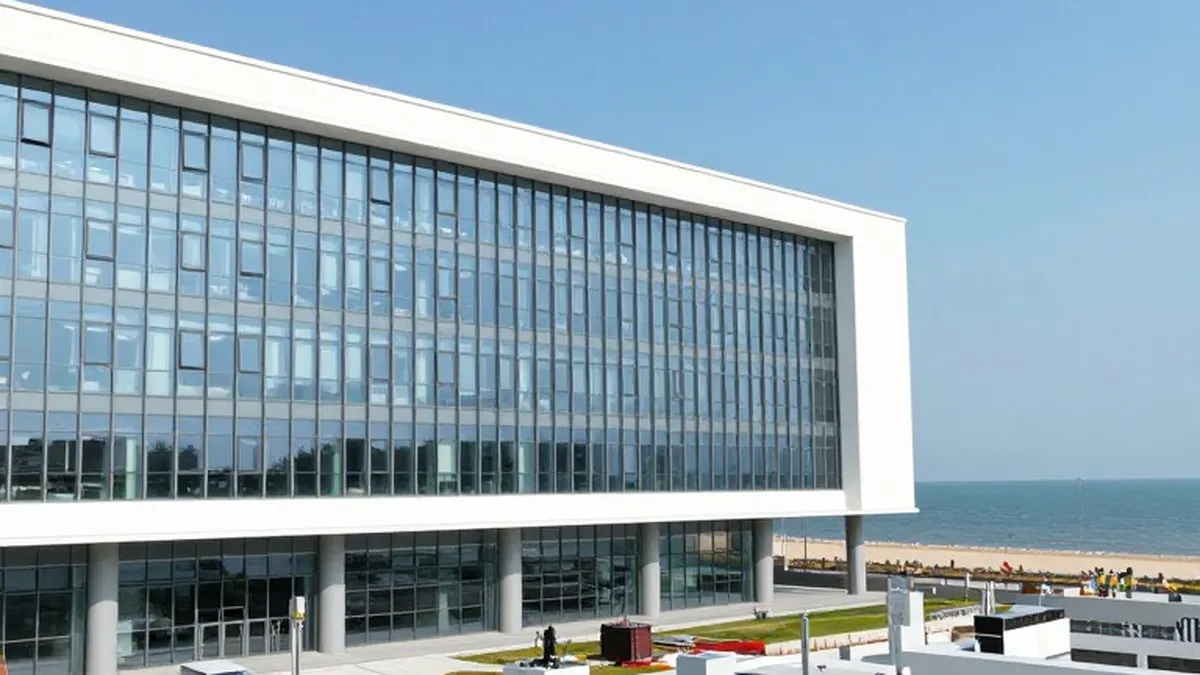
Significant infrastructure development is currently underway. Laboratories are being constructed from the ground up, while initial training in anatomy and pathology will take place in central Israel. Clalit Health Services, which owns Yoseftal Hospital in Eilat, is a key partner in the project. Clalit is investing in new operating rooms, a cardiac catheterization laboratory, and additional medical equipment. Students will complete their clinical rotations at Yoseftal and other Clalit hospitals in the later stages of their studies.
Despite involvement from the municipality, Clalit, and the University of Debrecen, the project has not received government funding. Cohen stated that he has financed the initiative entirely with his own resources and is currently seeking donations and investment to continue development. He urged skeptics to support the effort, stating, "Skepticism is not going to get us anywhere."