International Court of Justice finds Myanmar committed genocide against Rohingya
The UN top court issued a landmark ruling on November 19, 2026, stating that Myanmar violated the Genocide Convention during its 2017 military campaign in Rakhine state.
By Youssef Carter ·
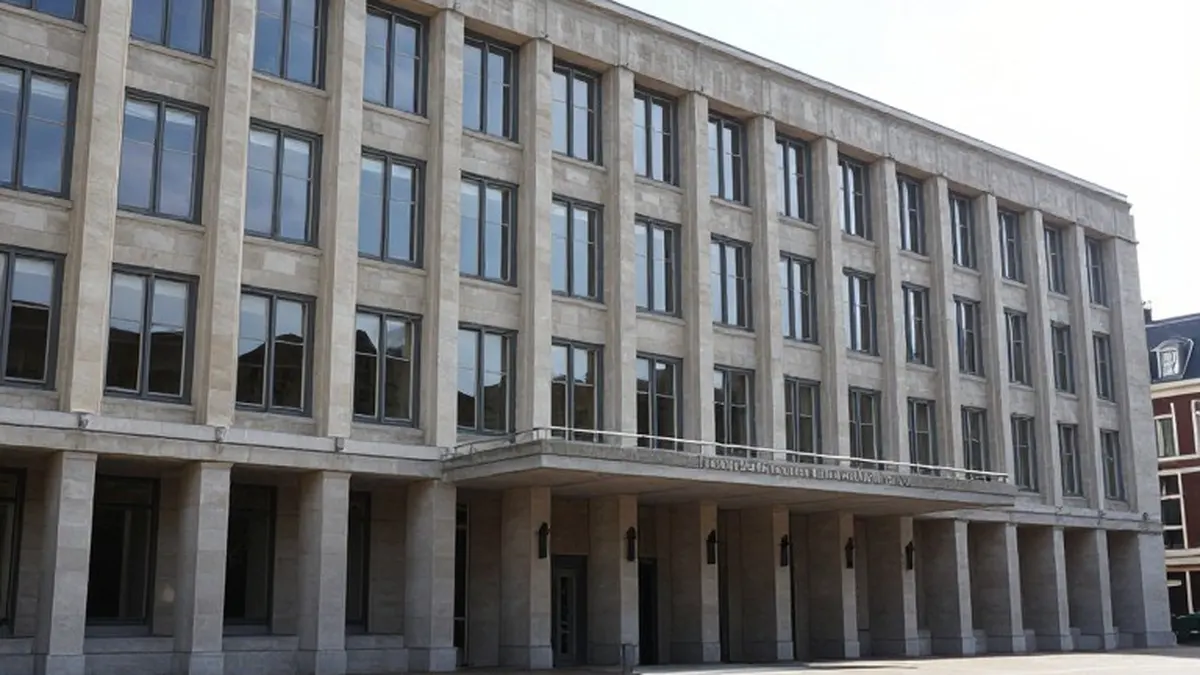
The International Court of Justice delivered a historic verdict on Thursday, November 19, 2026, determining that Myanmar committed genocide against the Rohingya ethnic minority. The ruling concludes that a brutal military operation launched in 2017 violated Myanmar's obligations under the 1948 Genocide Convention. This decision marks the first time the UN's top court has found that a state has committed the crime of genocide.
Court President Yuji Iwasawa announced that the 15-judge panel reached the conclusion by a vote of 9 to 6. The judges rejected Myanmar's argument that the 2017 campaign was a legitimate security operation against insurgents. Instead, the court found that the intent to destroy the Rohingya group, in whole or in part, was present during the events in northern Rakhine state.
Iwasawa stated that Myanmar's security forces killed thousands of Rohingya civilians and perpetrated widespread acts of sexual violence. The court also noted extreme violence against children and attacks on fleeing civilians who were seeking to escape in large numbers. Evidence presented to the court indicated that approximately 10,000 Rohingya were killed during the campaign.
The legal proceedings were initiated in 2019 by the Gambia, a Muslim-majority African nation. The Gambia asked the court to rule that Myanmar breached the Genocide Convention, order an end to illegal activities targeting the Rohingya, and ensure that those responsible were punished. The Gambia has also sought reparations, including full citizenship for the Rohingya and the right to return to their homes in Myanmar.
Yasmin Ullah, a Rohingya rights activist who attended the three-hour reading of the ruling, described the day as a victory for all oppressed people. She noted that the decision addresses the community's long-standing desire for recognition and dignity after nearly a decade of living in precarious conditions across the Asia-Pacific region. Ullah emphasized that the ruling validates the suffering of those who had been told their plight did not count.
UN Secretary-General Antonio Guterres hailed the judgment as a demonstration of international justice. He stated that the ruling reaffirms that impunity for such horrific acts must not stand. The decision follows a 2017 military response to an attack by a Rohingya insurgent group, which led to accusations of mass rapes, killings, and the burning of thousands of homes.
The United Kingdom responded swiftly to the verdict. Foreign Secretary Ed Miliband announced that his government is expelling Myanmar's defence attaché from the country. He also called for an urgent session of the UN Security Council to discuss the judgment. The court's rulings are final and legally binding, though enforcement remains a challenge as the court can only report noncompliance to the Security Council.
Melanie O'Brien, a professor of international law at the University of Western Australia, noted that genocides share similarities in how they are committed. She suggested that this decision will likely have an impact on other ongoing cases. The court currently has other allegations of genocide pending, including a case brought by South Africa against Israel regarding the Gaza offensive and a case brought by Ukraine against Russia.
The judgment also references a previous 2007 ruling in which the court found that Serbia violated the obligation to prevent genocide during the 1995 Srebrenica massacre. That event resulted in the murder of approximately 8,000 mostly Muslim men and boys. The current ruling adds significant weight to international legal standards for defining and prosecuting state-sponsored genocide.
The situation for the Rohingya remains dire. About 1.2 million refugees currently live in Bangladesh, primarily in crowded camps in Cox's Bazar district. They continue to endure harsh conditions, including fire hazards, infectious diseases, monsoon landslides, and inadequate sanitation. The legal victory is seen as a critical step toward addressing their status and securing their future rights.