US Consortium Secures Kenya Mining Contract Amidst Rival Challenges
Frontier Minerals wins the tender for Kenya's Mrima Hill project, a move that challenges Chinese dominance in critical minerals despite objections from rival bidders.
By Amir Bennett ·
A US-led group of companies has successfully secured the tender to develop the Mrima Hill mining project in Kenya. The consortium, known as Frontier Minerals, emerged as the winner after competing against seven other bidders. These rivals included major players from China and Australia, marking a significant development in the region's critical minerals sector.
The Mrima Hill site is estimated to contain deposits of critical minerals valued at more than 60 billion dollars. These resources include niobium, a material that is essential for the production of electric vehicles, aerospace components, and defense technology. The financial magnitude of the project has made it a focal point for international investors seeking access to Africa's natural wealth.
Frontier Minerals is composed of three distinct American entities: Bunker Hill Mining Corp, American Resources Corporation, and ReElement Technologies Corporation. The partnership combines specialized expertise in mineral resource development, supply chain management for critical materials, and advanced refining technologies. This collective experience forms the foundation of their proposed development strategy.
A primary objective of the consortium's proposal is to ensure that a larger share of the economic value remains within Kenya. To achieve this, the plan emphasizes the processing and refining of minerals in-country rather than exporting raw materials. Brad Marnett, a representative of Frontier Minerals, stated that the company aims for the nation to capture more value from its mineral resources through this localized approach.
Marnett also addressed the potential benefits for the local population. He expressed the intention to create lasting opportunities for Kenyan workers, local businesses, and the broader economy. The consortium plans to achieve this through capacity-building initiatives and targeted investment, while placing a high priority on environmental management and performance standards.
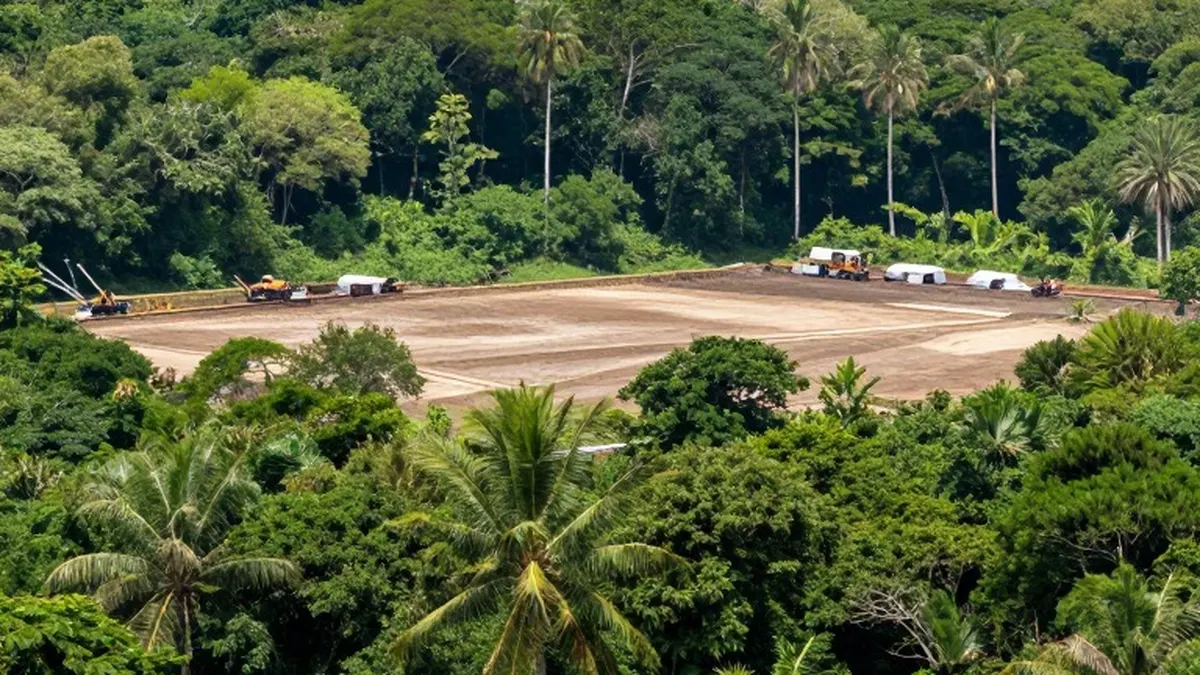
The mining site is situated in Kwale County, located near Kenya's Indian Ocean coastline. The project area covers approximately 390 acres of forest. The prospect of mining operations in this specific location has raised concerns among local residents. Many fear that the project could damage the surrounding forest and threaten their ancestral heritage sites.
There are additional questions regarding whether the communities living near the site will receive tangible benefits from the investment. These local concerns have prompted the consortium to engage in reassurance efforts, highlighting their commitment to inclusive economic growth and careful environmental stewardship.
Before the project can fully proceed, the consortium must still obtain a prospecting licence and satisfy all necessary regulatory requirements. This administrative phase is a critical step in the development timeline, ensuring that all legal and technical standards are met before construction begins.
The tender decision has not been without controversy. Two rival companies have indicated their intention to challenge the selection process. According to reports from the Reuters news agency, Australia's RareX alleges that Frontier Minerals missed an earlier submission deadline. This objection adds a layer of complexity to the finalization of the deal.
Kenya's government has maintained that the tender process was open and transparent. The project aligns with broader US efforts to secure alternative sources of critical minerals and reduce dependence on China, which currently dominates the processing of several key materials. Washington has been pursuing partnerships with mineral-rich African nations, including the Democratic Republic of Congo and Zambia, to strengthen supply chains for industries ranging from electric vehicles to defense technology. Kenya's mining ministry views the sector as an important component of its strategy to diversify the economy beyond traditional revenue sources such as tourism, agriculture, and financial services.