NSW inquest examines home birth of twins that ended in one baby's death
A coroner's court is reviewing the circumstances surrounding a twin home birth where the mother declined medical advice, leading to the death of one infant.
By Amir Bennett ·
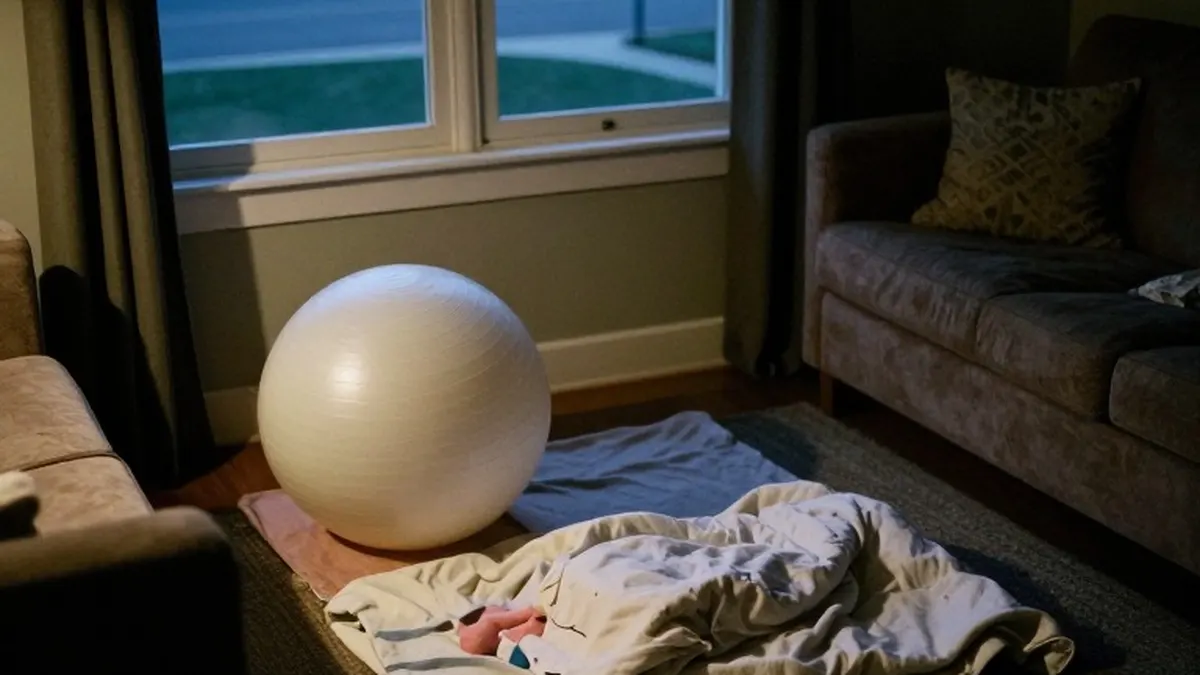
The New South Wales coroner's court in Lismore has heard that the mother of a deceased twin baby was determined to have a home birth, a decision she maintained despite warnings from medical experts. The inquest, which began on Thursday, is examining the deaths of four babies in the state's northern rivers region between 2022 and 2024. Three of these infants died after free births without medical professionals present, while the fourth, Baby B, was born with the support of a team of four midwives.
Court evidence indicated that the local medical community in the Hunter Valley raised concerns about the safety of a home birth for a twin pregnancy. The mother, whose name is suppressed for legal reasons, described the discovery of the twins as a wonderful shock but expressed a strong preference against a hospital setting due to traumatic birth stories she had heard from others. Although her midwife recommended monthly ultrasounds and induction between 36 and 37 weeks, the mother declined these interventions and opted for a plan focused on home delivery.
Expert witness Professor Hannah Dahlen testified that a home birth was considered unsuitable under the specific circumstances. Key factors included the twin pregnancy, the fact that it continued beyond 41 weeks, the lack of specialist review, and the family's distance from the hospital. The expert noted the potential need for urgent operative birth and the requirement for simultaneous skilled care and resuscitation for two babies. Despite this, the mother declined multiple checks and did not consult with an obstetrician, although a local doctor did follow up with her.
The mother told the court that she had conducted extensive research to find midwives with specific home birth experience. She described herself as quite selective in her choice of caregivers, relying on online resources and books to feel comfortable with the plan. The midwife involved stated that the alternative to her support would have been for the mother to birth at home with no professional assistance whatsoever. The court heard that the midwives' treatment of the patient was deemed reasonable and appropriate by experts, a distinction from the other three births currently under inquiry.
Tensions rose before the birth when ambulance officers and police arrived at the family home for a welfare check. This visit made the mother angry and upset, reinforcing her distrust of the medical system. The midwife noted that the mother felt violated by the visit and believed the authorities were coercing her to attend the hospital. Despite the concerns, the midwife maintained that the mother would not have hesitated to seek help if it became necessary and that she could potentially have convinced her to move closer to the hospital.
The mother went into labour at home, and the first twin was born successfully. Baby B gave an initial gasp but appeared stunned and required assistance to breathe spontaneously. While the situation seemed stable initially, the mother reported hearing the baby breathing the next night. However, in the early hours of the morning, Baby B stopped breathing. Emergency services arrived to find the infant pale, unresponsive, and without a pulse, although she was still warm to the touch.
Upon arrival at the hospital, medical staff worked for 45 minutes to resuscitate Baby B. Records show that her blood sugar and temperature were low, and her heart was flatlining before she died. By that time, the boy twin was limp and grey, suggesting he had contracted the same bacterial infection. His condition was less severe, and he survived the ordeal. The mother's decision to proceed with the home birth, despite expert advice against it, remains a central focus of the ongoing inquest.
The midwife involved in Baby B's care later surrendered her registration. She cited the personal impact of the death and the manner in which the health system treated her as reasons for her decision. The midwife stated that she was not informed when Baby B died. When a hospital representative called to ask about the surviving twin, she assumed they were discussing the deceased baby. She was subsequently told that the infant would be going to the coroner. The inquest into these four deaths continues.