Tributes Mark 25 Years Since Disappearance of the Eritrea 16 Journalists
Colleagues and family members in Nairobi honored 16 Eritrean journalists who vanished in 2001, urging the global press to keep their case in the public eye.
By Youssef Carter ·
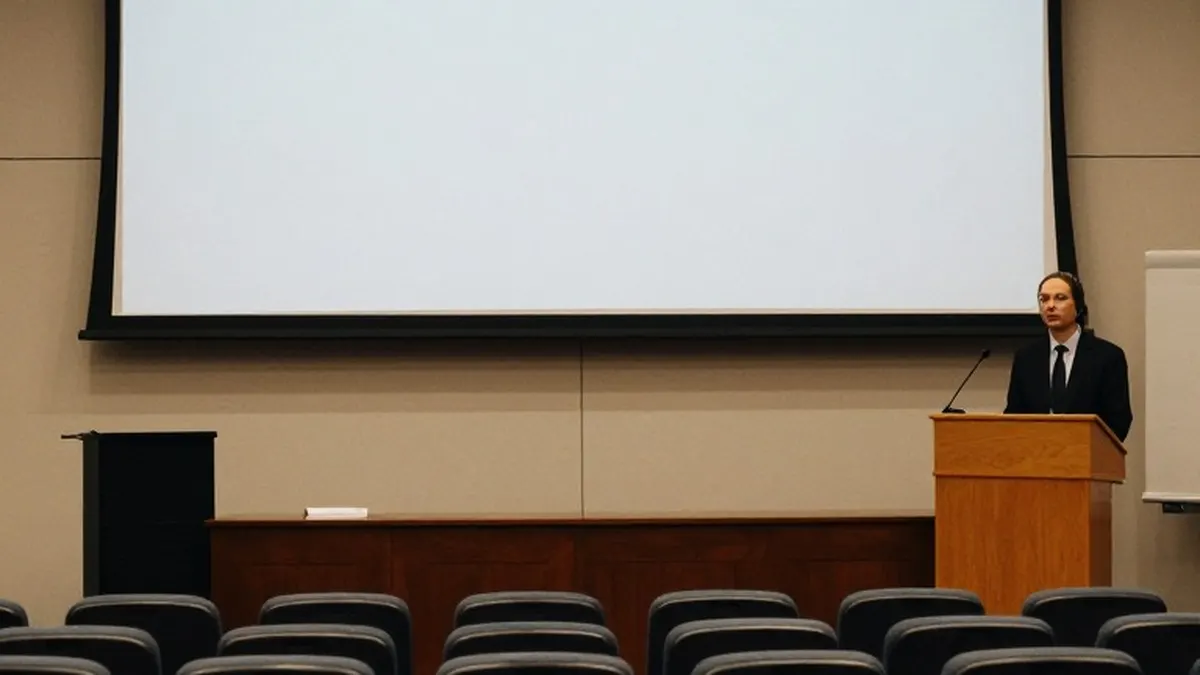
A gathering of journalists in Nairobi observed a solemn moment of reflection on the 25th anniversary of the disappearance of 16 Eritrean media professionals. Fisseha Yirgalem, an Eritrean writer who fled the country in 2018, addressed the audience at the African Investigative Journalism Conference. She delivered a personal tribute to Amanuel Asrat, a poet and the founder of Zemen newspaper, who was among those detained.
Yirgalem read aloud from a letter she wrote to Asrat, describing her last memory of him standing outside a police station with a cigarette in hand. Her words explored the emotional weight of his potential long-term imprisonment, imagining his daily routine in a cell and his attempts to communicate his needs to guards. The tribute highlighted the personal loss felt by colleagues, noting that Asrat was not just a name in a human rights case but a mentor and friend to many.
The 16 journalists, known collectively as the Eritrea 16, were arrested on 18 September 2001. This date, often referred to as Black Tuesday, marked the moment the Eritrean government shut down all independent newspapers in the nation. Since then, neither the families of the journalists nor their peers have received definitive information about their current status or whether they remain alive.
The Committee to Protect Journalists, or CPJ, used the occasion to renew its call for Eritrean authorities to reveal the fate and whereabouts of the detained journalists. They are considered some of the longest-held press workers in the world. In August, the organization announced that it would present the Eritrea 16 with an International Press Freedom award to recognize their courage and sacrifice.
The group being honored includes Asrat, Dawit Habtemichael, Dawit Isaak, Ghebrehiwet Keleta, Hamid Mohamed Said, Idris Said, Jimi’ie Kimeil, Mattewos Habteab, Medhanie Haile, Said Abdelkader, Saleh Aljazeeri, Sahle Tsegazeab, Seyoum Tsehaye, Temesgen Ghebreyesus, Tesfay Ghebreab, and Yusuf Mohamed Ali. A ceremony in New York will take place on 19 November to honor them in absentia.
Jodie Ginsberg, the chief executive of the CPJ, stated that while the award acknowledges the journalists' bravery, it does not substitute for truth, freedom, or justice. She noted that families have been left without answers or proof of life for their loved ones. Ginsberg emphasized that the 16 individuals deserve recognition for their journalism, not just for their disappearance, serving as a warning about the risks to press freedom when journalists can be silenced with impunity.
The memorial in Nairobi also featured video messages from the families of the detained journalists. Beilula Sium, the daughter of Seyoum Tsehaye, shared a poignant memory of visiting her father in prison when she was a young child. She recalled that two months after his arrest, prison wardens allowed her a brief moment to see him through the bars. That short visit remains the only time she has been near her father, and a photograph of the two of them serves as her primary source of memory regarding his appearance.
The detention of these journalists is part of a broader pattern in Eritrea, where 12 writers have also been held incommunicado since 2001. Additionally, hundreds of conscientious objectors, including followers of unrecognized religions, remain imprisoned. Sixty-four Jehovah’s Witnesses, three of whom are over 80 years old, have collectively spent more than 400 years in prison without being charged or tried.
UN human rights experts have urged Eritrean authorities to end arbitrary detentions and provide justice to victims and their families. They have suggested that the systematic use of prolonged detention and enforced disappearances may constitute crimes against humanity. Despite these international calls, Eritrea rarely responds to such requests.
Muthoki Mumo, the CPJ program coordinator for Africa, stressed the importance of continuing to ask questions about the detained journalists even after 25 years. She argued that giving up on seeking answers reflects on the state of global humanity. Yirgalem concluded by urging fellow journalists to use their platforms to amplify the demand for the immediate release of the Eritrea 16, reminding the audience to ensure that the detained are not forgotten.