Bar-tailed godwit completes 6,800-mile round trip to Siberia
A small wading bird named Phil has returned to Norfolk after a transcontinental journey, providing new insights into the endurance of long-distance migrants.
By Carolina Barrett ·
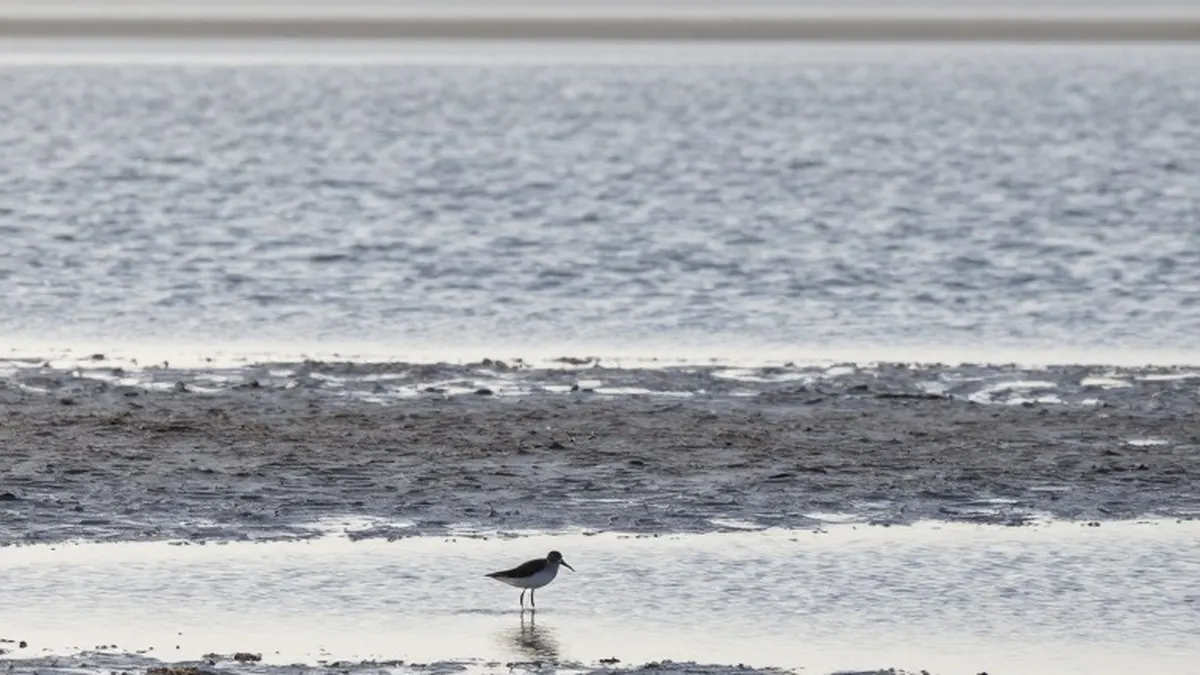
A bar-tailed godwit known as Phil has finished a remarkable 6,800-mile journey from Norfolk to Siberia and back, marking the first detailed mapping of this species' endurance feats. The bird is a wading species that is not significantly larger than a pigeon, yet it holds the record for the longest non-stop migratory flight of any bird. Populations that visit Britain typically spend their summers breeding within the Arctic Circle before moving to the unfrozen wetlands of the UK for the winter months.
Scientists from the RSPB have used a lightweight tracking device to reveal the full extent of the godwit's long-distance capabilities. The tracker, which weighs only six grams, was attached to Phil in January by the Wash Wader Research Group. The bird was named in honor of Phil Ireland, who has served as the group's leader for many years.
Since the installation of the tracker, data has followed Phil's movement from the Wash to the Wadden Sea coasts of the Netherlands, Denmark, and Germany in March. The journey continued to the Taymyr peninsula in central Siberia by late May. On the return leg, the bird flew over the Arctic Ocean off the coast of northern Norway. It paused on three small Norwegian islands before heading back to the Wadden Sea region.
Phil has now been recorded as safely returning to RSPB Snettisham on the edge of the Wash. This location is a key site where thousands of birds gather at high tide, creating one of the most significant wildlife displays of the British winter.
Jeff Kew, a coastal adviser for the RSPB, expressed his amazement at the bird's achievement. He noted that it is incredible to consider that a bird tagged on the Wash in January traveled thousands of miles to Siberia and successfully made the trip back. He emphasized that tracking Phil serves as a reminder that protecting migratory birds requires a global effort, as many species cross borders and rely on a network of wetlands along their routes.
The bar-tailed godwits that visit Britain utilize a portion of the east Atlantic flyway. This migratory route, often described as a superhighway, stretches from the Arctic to South Africa and supports millions of birds annually. The extensive mudflats of the Wash provide a vital area for feeding and resting for a wide variety of species.
Dr. Nigel Clark of the Wash Wader Research Group described the Wash as the UK's most important coastal wetland for migratory waders. He pointed out that spectacular numbers of birds can be observed there during the autumn and winter seasons.
Clark added that tracking individuals like Phil demonstrates how connected the Wash is to the rest of the flyway. He argued that this network of sites is more crucial than any single stopover point alone, highlighting the interdependence of these habitats.