ICJ finds Myanmar guilty of genocide against Rohingya people
After a seven-year legal battle initiated by The Gambia, the International Court of Justice has determined that Myanmar committed acts of genocide following the 2017 military crackdown in Rakhine state.
By Youssef Carter ·
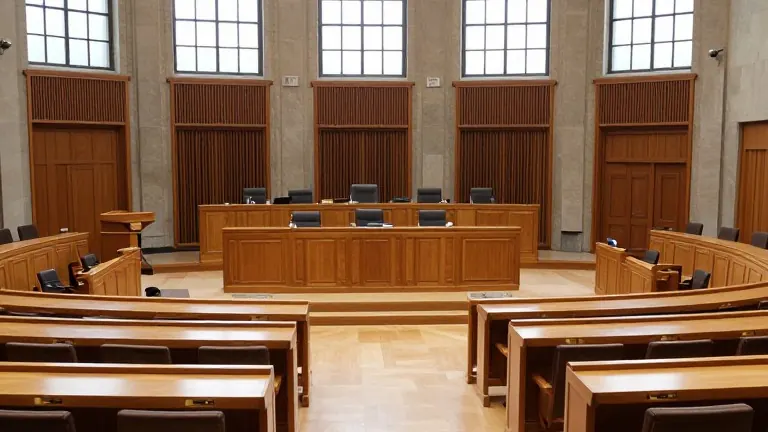
The International Court of Justice has issued a landmark ruling stating that Myanmar committed acts of genocide against the Rohingya people. This decision marks the conclusion of a legal dispute that began in 2019 when The Gambia brought the case before the court.
The conflict that led to this judicial outcome originated in August 2017. Following attacks by a Rohingya militia, the Myanmar military launched a clearance campaign in Rakhine state. The operation resulted in widespread violence, with survivors reporting mass killings, rapes, and the burning of villages.
During this period of intense conflict, hundreds of thousands of Rohingya fled their homes to seek safety in neighboring Bangladesh. The displacement created one of the world's largest refugee crises, with many families forced to leave behind their ancestral lands and possessions.
The Gambia took the initiative to file the case at the ICJ in 2019, arguing that Myanmar had failed to prevent genocidal acts and punish those responsible. The legal proceedings lasted for seven years before the court reached its final determination.
According to the court's findings, the actions taken by Myanmar's armed forces met the criteria for genocide. This ruling provides a significant legal precedent in international law regarding the definition and application of the term genocide.
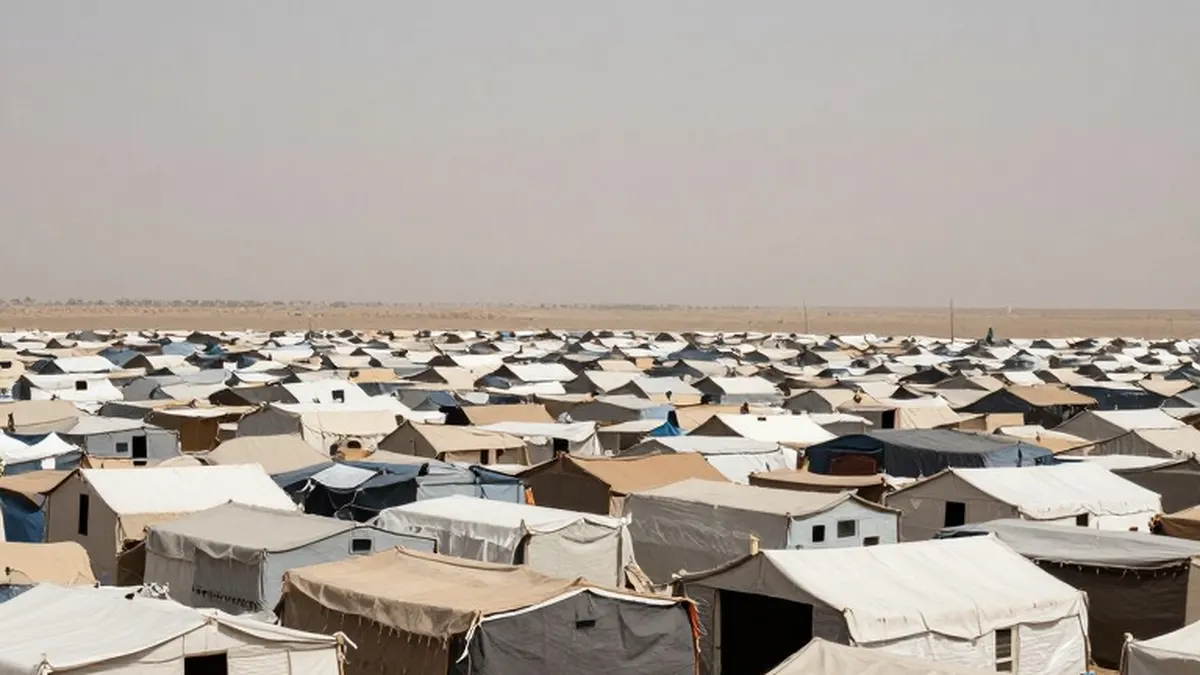
Despite the legal victory, the humanitarian situation for the Rohingya remains dire. Approximately 1.2 million members of the ethnic minority are currently living in crowded refugee camps in Bangladesh.
Many of these refugees have been waiting for years for the chance to return to Myanmar. However, the prospect of repatriation remains uncertain as the two nations continue to negotiate the terms of return and the future status of the displaced population.
The ICJ ruling is expected to influence future diplomatic discussions and potentially impact Myanmar's international standing. It underscores the global community's commitment to holding states accountable for their actions against minority groups.
Legal experts note that while the ICJ does not have direct enforcement powers, its rulings carry significant moral and political weight. The decision may encourage other nations to pursue similar legal avenues in cases of mass atrocities.
For the Rohingya community, the ruling offers a sense of validation after years of suffering and displacement. Many hope that the legal recognition of their plight will accelerate efforts to secure their rights and find a lasting solution to their crisis.