Google Apologizes as Displaced Wolves Enter Finnish Villages Near AI Sites
The tech giant faces regulatory orders to halt work after unauthorized forest clearing near Muhos and Otanmäki forces local wildlife into residential areas.
By Mei Lin ·
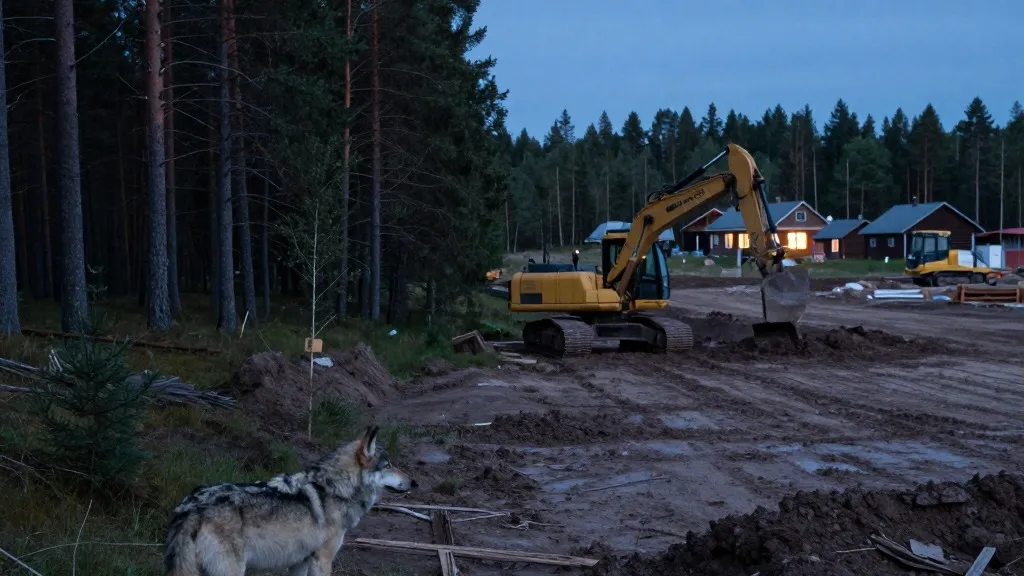
Residents in rural Finland are facing a new and unsettling reality: wolves, displaced from their natural habitats, are now wandering into nearby villages. This shift in wildlife behavior is a direct consequence of the rapid expansion of Google’s AI infrastructure, which has transformed dense forests into open construction sites. For families who have lived in these communities for generations, the arrival of predators in their backyards marks a significant change in daily life and safety.
The conflict stems from Google’s aggressive push to build new data centers in the regions of Muhos and Otanmäki. According to recent reports, the company cleared approximately 816 acres of forest without proper authorization, turning the landscape into a muddy expanse. Additionally, regulators have ordered the company to cease work on another 500 acres of cleared land located 55 miles southeast of Otanmäki. These actions have stripped away the cover and hunting grounds that local wolf packs relied upon, forcing them to seek food and shelter in human-populated areas.
The situation has intensified local anger, with many residents feeling that Google prioritized speed over regulatory compliance. Anni Ranta, 53, a long-time resident of Otanmäki, noted that wild animals moved into the village because their forest home was gone. Beyond the immediate safety concerns, Ranta expressed a broader fear that the presence of major U.S.-owned data centers could make Finland a more attractive target for Russian aggression, adding a geopolitical layer to the environmental dispute.
Local complaints extend beyond the presence of wolves. Residents have reported increased noise from construction and factory operations, streams turning brown, and the displacement of rare bird species. These grievances reflect a wider pattern seen in other countries where AI data center development has clashed with local ecosystems, suggesting that the environmental costs of the AI boom are becoming increasingly visible and contentious.
Regulators have taken notice of the unprecedented flouting of environmental policy. The Finnish Licensing and Supervision Authority (LVV) issued an order for Google to stop its development activities near both Muhos and Otanmäki. A representative from the Finnish Association for Nature Conservation indicated that the company’s actions were clear violations of existing protections, signaling a potential shift in how regulators handle large-scale tech projects in sensitive natural areas.
Despite the regulatory pressure, Google maintains a cooperative stance. A spokesperson stated that the company will fully comply with LVV’s requests and looks forward to an active dialogue with authorities to strengthen its partnership with Finland. The company appears to be betting that the long-term business benefits of its data centers will outweigh the current friction with local communities and environmental groups.
In the coming weeks, the focus will be on whether Google adheres strictly to the stop-work orders and how it addresses the displaced wildlife. The outcome of this dispute in Finland could serve as a critical precedent for other nations grappling with the environmental impact of the global AI infrastructure race.
Source: Tom's Hardware