IEA Head Warns Iran War Has Shattered Trust in Hormuz Strait
The International Energy Agency states that the recent conflict has permanently damaged confidence in the strait, with bypass projects costing billions to reduce dependency.
By Youssef Carter ·
Fatih Birol, the executive director of the International Energy Agency, has issued a stark warning regarding the future of global energy logistics. In an essay published in The Economist on Wednesday, Birol stated that the recent US and Israeli military campaign against Iran has fundamentally altered the landscape for energy exports. He described the impact as having crushed confidence in the Strait of Hormuz, which has long served as a critical artery for oil and gas shipments.
Birol noted that the strategic situation has changed significantly since early in the year. He wrote that he does not see a credible path back to the conditions that existed in February 2026. The agency head emphasized that shipping flows through the strait were blocked once during the conflict, causing major disruptions to global markets. He argued that because this disruption has already occurred, it can happen again, leaving traders and governments uncertain about the safety of the corridor for energy and other goods.
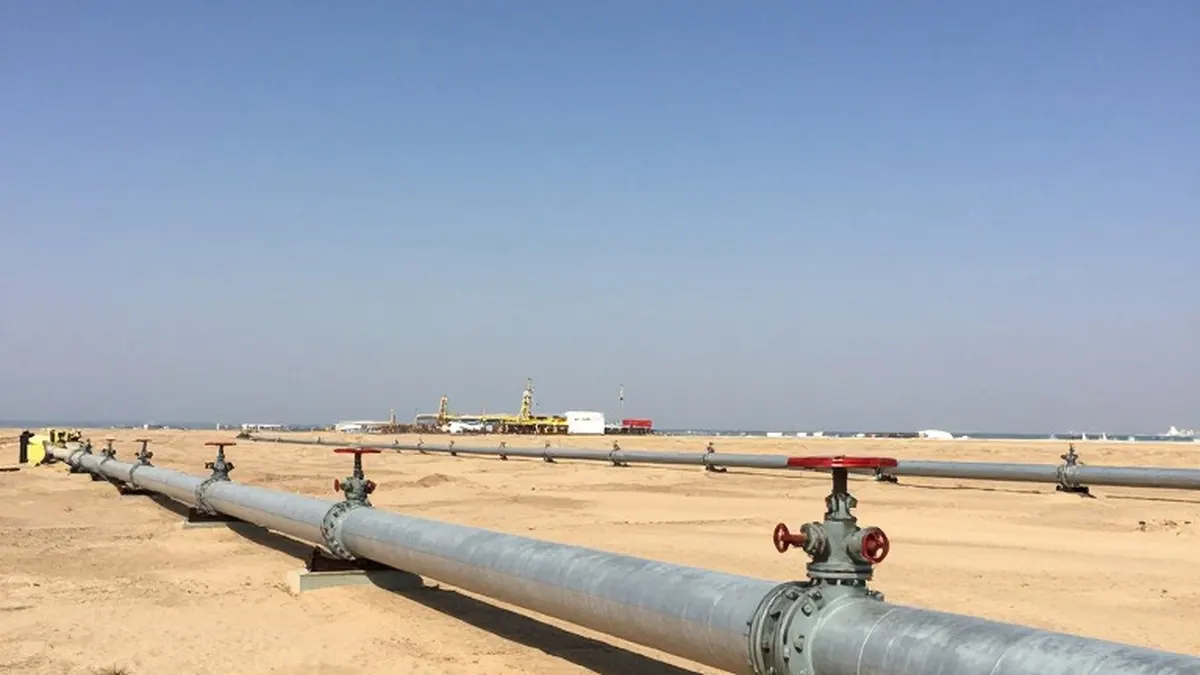
While Birol acknowledged that the world can conceivably manage without the strait, he stressed that doing so would be difficult. The IEA’s World Energy Outlook report, released on Thursday, provides a detailed financial assessment of this challenge. The agency estimates that developing alternative pipelines to circumvent the waterway would require an investment of approximately 40 billion dollars. Such infrastructure changes would add roughly two dollars to the cost of every barrel of oil exported from the region.
Beyond pipeline construction, the report highlights the need for substantial investment in energy sources outside the Middle East. The IEA calculated that an additional 200 billion dollars would be necessary to develop these alternative sources. This financial burden underscores the scale of the adjustment required to reduce reliance on the contested waterway. The costs reflect the long-term structural changes needed in the global energy supply chain.
Specific pipeline projects in the Middle East are currently under construction or consideration to address this vulnerability. The IEA noted that these new routes could potentially pump around seven million barrels of oil per day. This capacity would allow producers to reach international markets without transiting the strait. If all these projects are completed, and if non-Gulf producers increase output while importers reduce demand, the need for transit through the strait could drop to two million barrels per day by 2035.
Middle Eastern nations are actively racing to implement these bypass strategies. Saudi Arabia is planning to expand the capacity of its East-West Pipeline, which terminates at the Red Sea port of Yanbu. Meanwhile, the United Arab Emirates is investing heavily in its own pipeline networks to avoid the chokepoint. These efforts represent a coordinated regional response to the security risks posed by the recent war.
In a separate development, Iraq resumed the pumping of crude oil for export through the Kirkuk-Ceyhan Pipeline to Turkey this week. This move is part of Iraq’s strategy to bypass the Strait of Hormuz. Middle East Eye was the first to report on US efforts to revive a pipeline connection between Iraq and Syria, highlighting the growing international interest in establishing alternative routes.
Despite these advances, the IEA warned that pipelines are not immune to risk. The agency pointed out that Saudi Arabia’s East-West Pipeline has previously come under attack from the Houthis and militias in Iraq. This history suggests that instability in the region can still threaten alternative export routes. Birol and the IEA concluded that while it is possible to diversify away from the Strait of Hormuz over time, the same cannot be said for the Middle East as a whole.
The agency’s assessment suggests that the region’s geopolitical instability will continue to cast a shadow over energy markets. Even with new infrastructure, the vulnerability of supply lines remains a key concern for global buyers. The IEA’s findings indicate that a complete return to pre-war confidence levels may be unlikely in the near term, forcing a long-term recalibration of energy trade patterns.